
Ear Shaping
Mixed Ear Deformity in Newborns: When Several Shapes Appear Together
Mixed ear deformity means more than one newborn ear feature at once. Learn common combinations and how early physician-guided molding is planned.
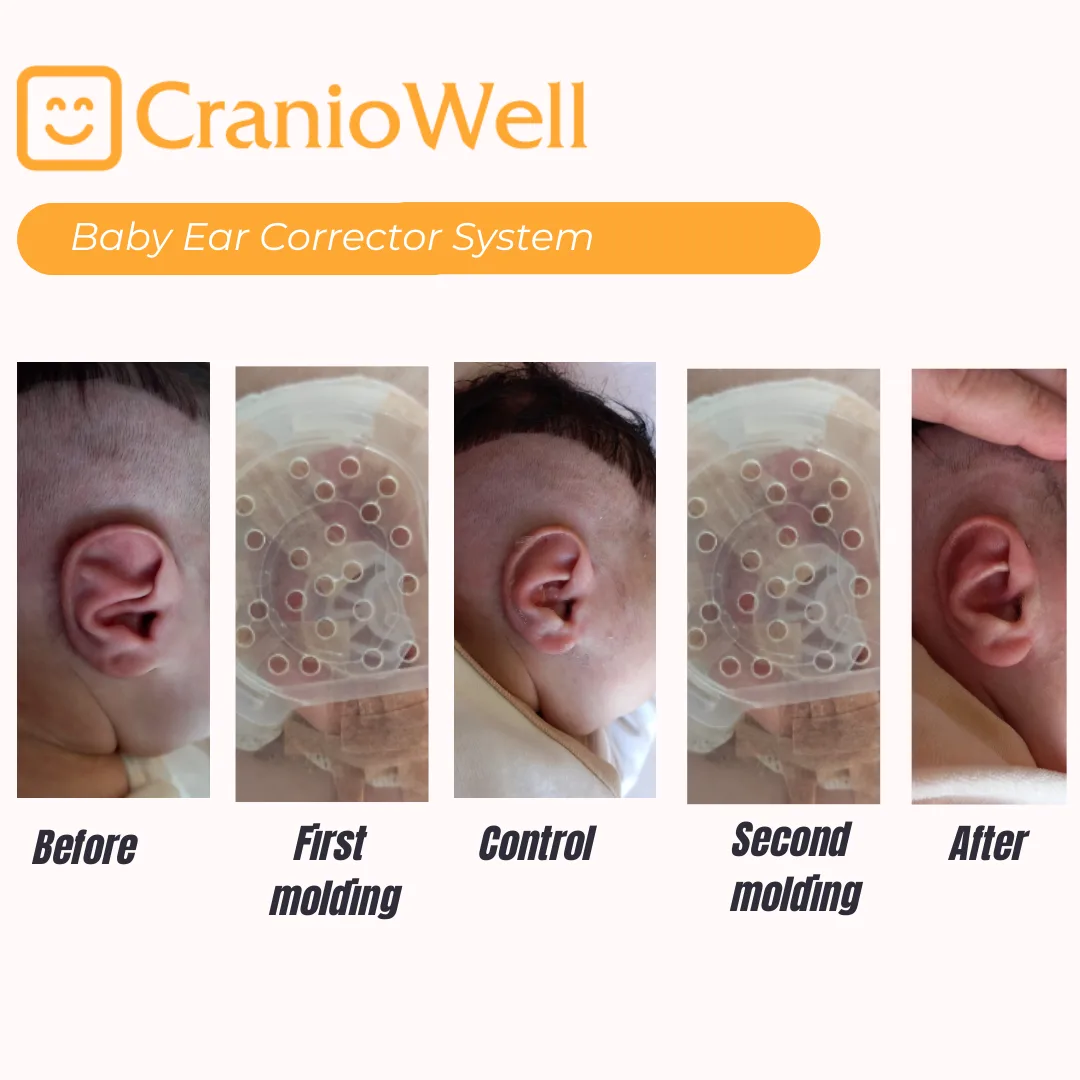
Ear Shaping
Mixed ear deformity means more than one newborn ear feature at once. Learn common combinations and how early physician-guided molding is planned.
Mixed ear deformity means a newborn ear shows more than one shape feature at once — for example Stahl’s ear with prominence, or lidding with a conchal crus. Clinicians use “mixed” when several patterns sit on the same ear.
Short answer: Mixed shapes are common. A physician names each feature, then decides whether early ear molding can address them together while the cartilage is soft.
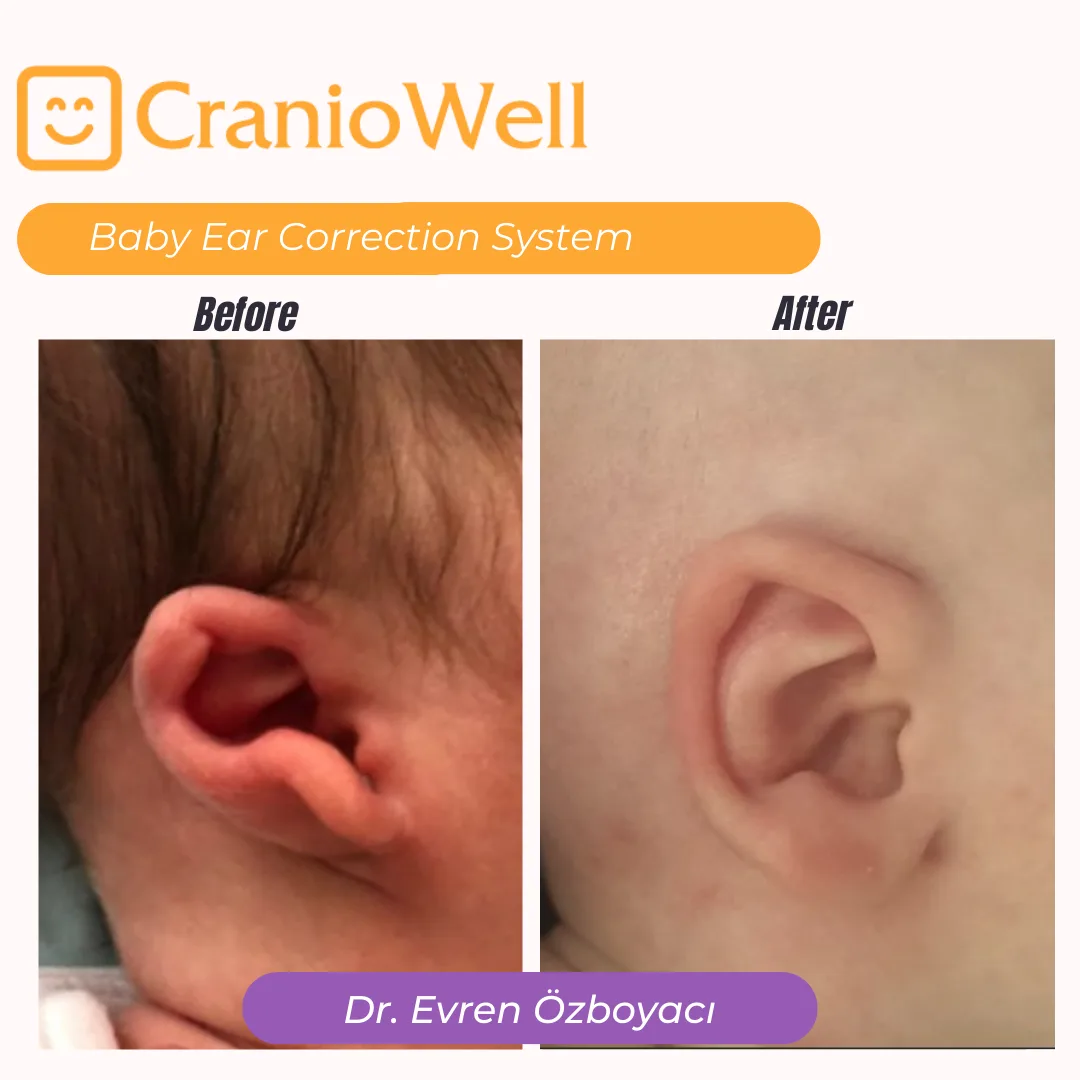
Each named shape — Stahl’s ear, ear lidding, prominent ears, conchal crus, helical rim, cup or lop — can appear alone. When two or more sit on the same pinna, the ear is described as mixed. One ear may be mixed while the other looks typical, or both ears may differ.
Parents often notice “several things at once” rather than a single label. That is expected. Photos help the conversation; they do not replace an exam.
Related atlas: types of newborn ear deformities, common ear deformities in babies.
The clinician looks at both ears, names each feature, judges how firm the cartilage feels, and how the features interact. A Stahl’s ridge can change how a rim is lifted; a deep conchal crus can keep an ear prominent even if the helix looks better. That is why mixed ears need a planned fit, not a one-size home approach.
Often yes, when the ear is a deformation (normal tissue, abnormal shape) and care starts early. The device can be arranged to support more than one area at the same time. Mixed shapes may need more follow-up visits so each feature is watched as the ear settles.
Planning ranges used for single shapes still apply as a starting frame; mixed ears may run longer:
These are average planning guides; mixed shapes may need longer follow-up. The treating physician sets the exact course.
More on timing and candidacy: baby ear molding, candidate checklist.
Very mild positional folds sometimes soften in the first days. Once several clear features remain after the first week, waiting often uses the soft-cartilage window. Mixed patterns are less likely to “sort themselves out” completely without guidance. See do babies grow out of ear deformities?
Outer-ear shape differences are usually cosmetic and do not change hearing by themselves. After cartilage firms, molding helps less. Later options may include otoplasty. Compare: ear molding vs otoplasty.
The CranioWell baby ear corrector set is applied and followed only by treating physicians. Find the nearest one in our specialist directory. If there is no physician near you, send us a photo of your baby’s ear and your location, and we will tell you what options are available.
Other ear shapes: prominent ears, Stahl’s ear, lop ear, cup ear, ear lidding, flat ear helix / helical rim, cryptotia, constricted ear, conchal crus, mixed ear deformity. Full guide: baby ear molding.
Related: Read the full parent guide to what ear molding is and when to start.
No. Many treated ears show more than one feature. “Mixed” is a description of the combination, not a separate disease.
Not by itself. Suitability depends on the features, age and cartilage softness. The physician explains what is realistic for your baby.
Yes. Plans are set per ear.
No CranioWell physician in your country yet? You can contact us about a distribution / partnership application for your region.