
Ear Shaping
Ear Molding vs Otoplasty: Which Is Right for My Child?
Compare newborn ear molding and otoplasty (ear surgery): timing, anesthesia, recovery and which ear shapes each can correct.
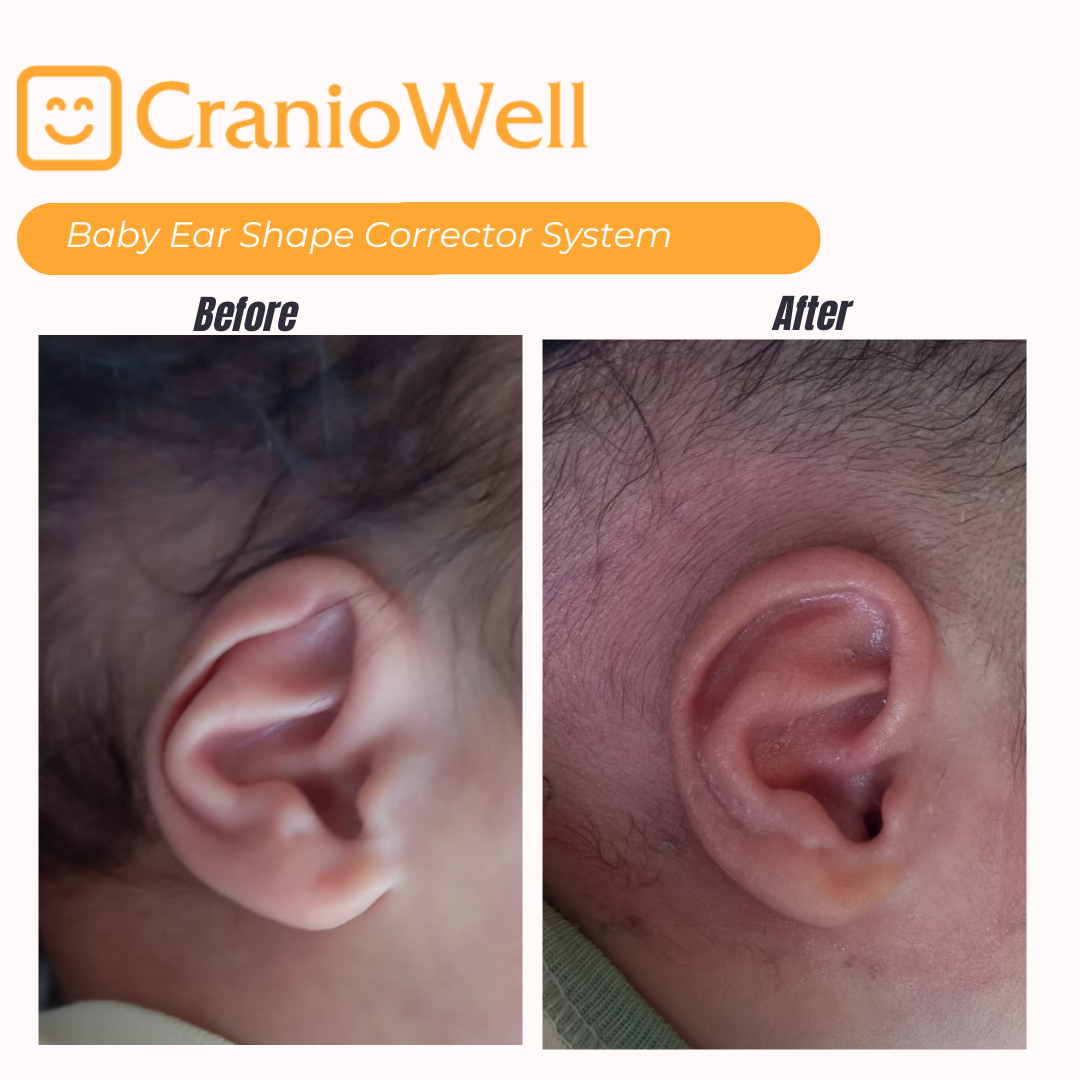
Ear Shaping
Compare newborn ear molding and otoplasty (ear surgery): timing, anesthesia, recovery and which ear shapes each can correct.
There are two main ways to correct an ear shape difference: ear molding in the first weeks of life, or otoplasty (ear surgery) later in childhood. They suit different ages and situations.
Short answer: Ear molding is non-surgical and works only in the first weeks after birth, while the cartilage is soft. Otoplasty is an operation usually considered from around 5–6 years of age. If the deformity is noticed early, molding may avoid surgery.

When the deformity is noticed in the first weeks and the ear parts are present but folded, flattened or protruding. Typical examples are prominent ears, Stahl’s ear, lop ear and rim deformities.
In microtia, where part of the ear has not formed, neither molding nor standard otoplasty is enough; reconstructive surgery is a separate field.
Yes. A molded ear may need less surgery later, if any. Your surgeon decides based on the ear at that time.
No. By then the cartilage is firm. Ask a surgeon about the right age for otoplasty.
The CranioWell baby ear corrector set is applied and followed only by treating physicians. Find the nearest one in our specialist directory. If there is no physician near you, send us a photo of your baby’s ear and your location, and we will tell you what options are available.
Related: baby ear molding guide, is my baby a candidate?, ear molding vs otoplasty.