
Ear Shaping
Non-Surgical Baby Ear Correction: CranioWell and Ear Molding Guide
Newborn ear molding uses early cartilage flexibility for non-surgical correction. Learn timing, how CranioWell works, and why physician application matters.
Ear Shaping
Newborn ear molding uses early cartilage flexibility for non-surgical correction. Learn timing, how CranioWell works, and why physician application matters.
Infant ear shape differences can worry parents. Today, baby ear correction can often be achieved without surgery by using the flexibility of newborn cartilage. This guide explains how modern systems such as CranioWell work and why early intervention is important.
Short answer: Baby ear correction in the first weeks of life is a non-surgical ear molding method. High maternal estrogen levels keep cartilage soft, allowing painless shaping. Ideal care usually begins within the first 2–6 weeks.
Ear molding uses special devices to guide the ear into a desired form while newborn cartilage is still soft and moldable. Concerns among newborn ear deformities—such as prominent ear, Stahl’s ear, or folded ear—can often be improved with this approach when started early.
Newborns have high estrogen levels transferred from the mother. This hormone increases hyaluronic acid in ear cartilage and keeps it flexible. After about week 6, estrogen falls and cartilage hardens. The so-called “golden window” of the first 2–3 weeks is when treatment often responds most quickly.
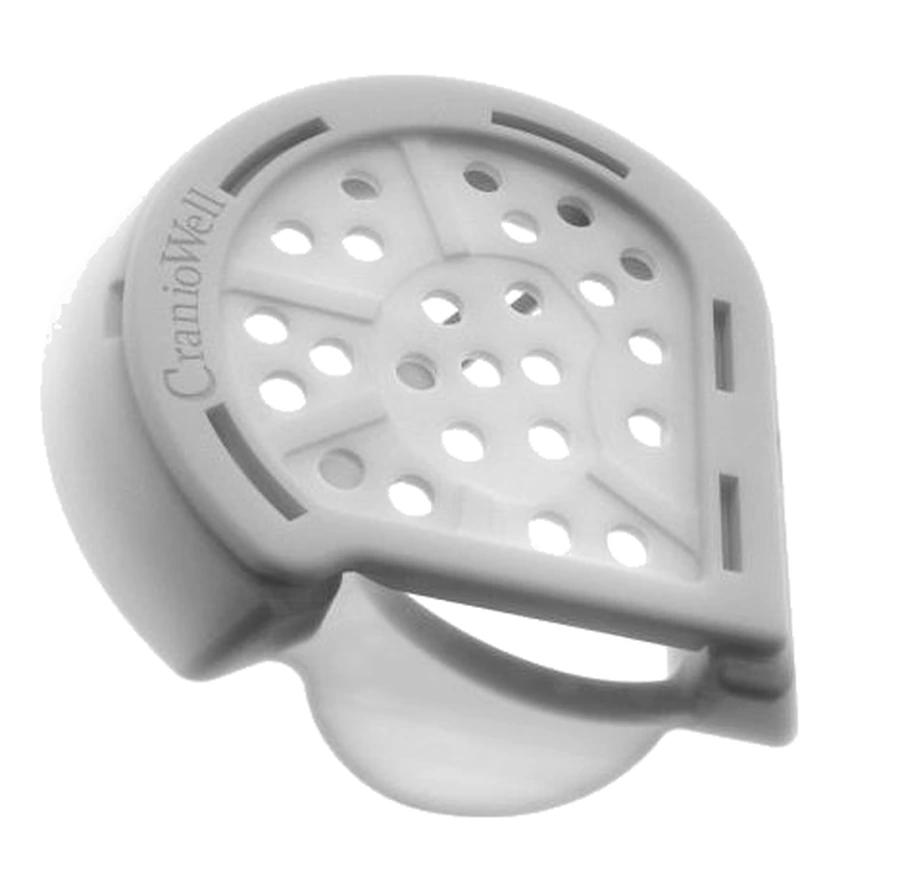
The CranioWell baby ear corrector set is a non-surgical ear molding system applied by treating physicians. The process typically includes:
| Feature | Non-Surgical Molding (CranioWell) | Surgery (Otoplasty) |
|---|---|---|
| Typical age | 0–3 months | About 5–6 years and older |
| Anesthesia | Not required | General or local anesthesia |
| Pain | Generally none | Post-operative pain possible |
| Recovery | Daily life continues with device in place | About 1–2 weeks of dressings |
| Outcome potential | Often favorable with early start | Effective option later, with surgical considerations |
Treatment usually lasts about 4 to 6 weeks, during which the device stays on the ear. Babies often tolerate soft silicone and plastic components well. One of parents’ most common questions—how infant ear shape improves—is answered by the continuous gentle guidance the device applies to cartilage. Find a treating physician via find a specialist.
Internet “ear tapes” or taping methods are not equivalent to professional molding. Incorrect use can irritate skin, narrow the ear canal, or lock in an undesired shape. Prefer professional systems under clinician supervision.
No—the process is generally painless. Babies often continue sleeping during application.
Earlier starts (especially within the first 2 weeks) usually respond better. After 6 weeks, response often declines as cartilage hardens.
Keeping the device dry is usually advised. Wipe baths or carefully protecting the head area are commonly recommended.
When shape is guided before cartilage hardens, the new form is intended to remain as the baby grows.
Some private plans may cover congenital deformity care. Ask CranioWell and your insurer for details.
This content is for information only. Always consult a clinician for diagnosis and treatment.