
Ear Shaping
Types of Newborn Ear Deformities: Signs, Types and Treatment
Prominent ear, Stahl ear, lop ear, cryptotia — common newborn ear deformities. Why early non-surgical moulding is best.
Ear Shaping
Prominent ear, Stahl ear, lop ear, cryptotia — common newborn ear deformities. Why early non-surgical moulding is best.
Quick answer: Approximately 15–30% of babies are born with some form of ear deformity. Without treatment, 70% of these deformities become permanent. Early diagnosis (ideally within the first 6 weeks) allows non-surgical ear moulding to fully correct the deformity — avoiding surgery.
Ear abnormalities in babies are not only an aesthetic concern — they can affect a child's self-confidence as they grow. Here are the most common types:
A condition where the ear protrudes more than 2 cm from the base of the skull. It is usually caused by the absence of the anti-helical fold. Non-surgical ear moulding systems can recreate this fold. Learn more: Prominent Ears in Babies.
The upper part of the ear takes on a pointed form due to the presence of a third cartilage fold (crus). It is sometimes called Spock ear because of its resemblance to the fictional character.
The upper part of the ear is folded forward or downward. Caused by insufficient or weak cartilage. Learn more: Lop Ear in Babies.
The upper part of the ear is buried beneath the scalp. This can make wearing glasses or face masks difficult. Learn more: Cryptotia.
| Deformity Type | Appearance | Early Treatment Success Rate |
|---|---|---|
| Prominent Ear | Excessive protrusion from skull base | ~95% |
| Stahl's Ear | Pointed, triangular upper ear | ~90% |
| Lop Ear | Upper edge folded downward | ~92% |
| Cryptotia | Upper cartilage buried under skin | ~85% |
| Cup Ear | Ear curled inward like a cup | ~91%* |
* Success rates may vary depending on the age treatment begins and individual variation.
In newborns, ear cartilage is soft and pliable due to maternal oestrogen present immediately after birth. Intervention during this window gives the cartilage "shape memory." If the first 2–4 weeks are missed, the cartilage hardens and the only option becomes surgical otoplasty after the age of 5–6 years. Surgery is both costly and carries the risks of general anaesthesia.
Many families assume that taping the ears back (ear taping) will work. However, taping only brings the ear closer to the head — it cannot correct structural deformities in the internal ear folds (anti-helix, scapha). Professional ear moulding systems reconstruct the ear in three dimensions.
You should consult a specialist the moment you notice any asymmetry, folding, or excessive protrusion in your baby's ear. Remember — a "wait and see" approach can cause you to miss the window for non-surgical treatment.
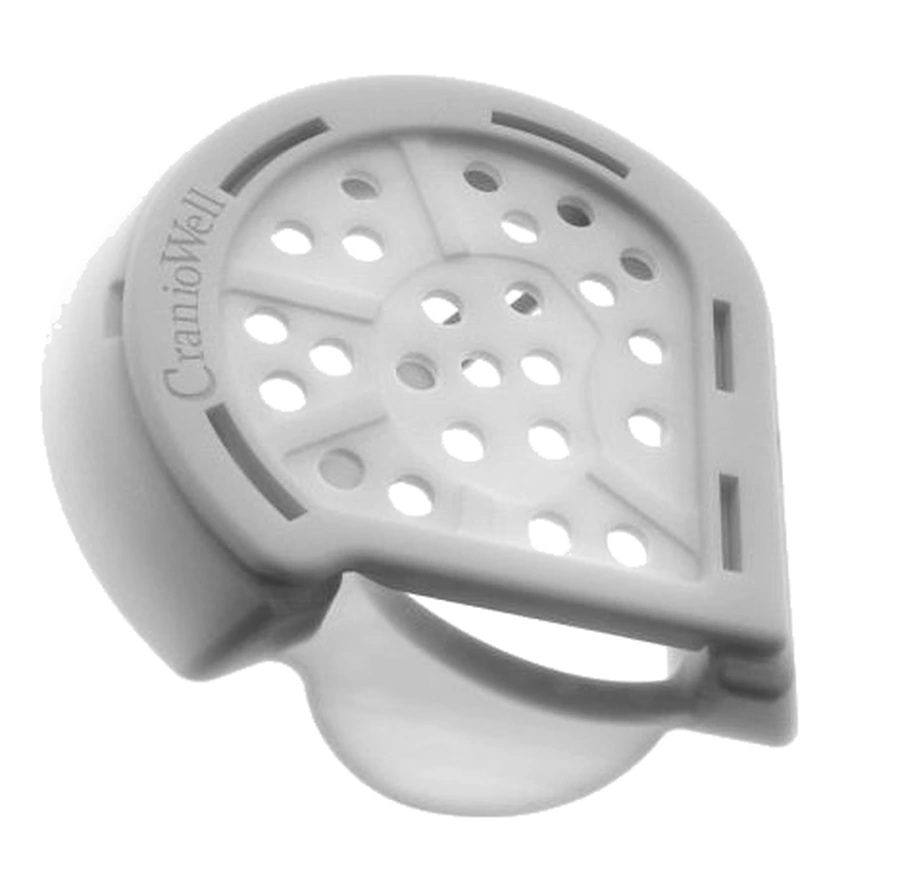
At CranioWell, ear moulding is applied by specialist physicians. To find an ear correction specialist: Doctors who apply the ear corrector set. For a preliminary assessment: contact us.
Yes — if prominent ears or similar conditions run in the family, the likelihood of occurrence in the baby is higher. However, intrauterine positioning can also play a role.
No. Stahl's ear is a structural cartilage deformity and will not correct without professional intervention.
Most ear deformities involve the outer ear and do not affect hearing. However, conditions such as cryptotia can make ear hygiene more difficult.
Generally, moulding is not recommended after 3 months because the cartilage has become too firm. The ideal window is the first 6 weeks.