
Ear Shaping
Common Ear Deformities in Babies: Types, Causes & Non-Surgical Treatment
An overview of the most common ear deformities seen in newborns and babies, including prominent ears, conchal crus, Stahl's ear, and cryptotia.
Ear Shaping
An overview of the most common ear deformities seen in newborns and babies, including prominent ears, conchal crus, Stahl's ear, and cryptotia.
Approximately 15 to 30 out of every 100 babies are born with some form of ear deformity. While this may be alarming for parents, most deformities can be corrected without surgery when diagnosed early. The non-surgical ear correction process in babies is planned according to the type of deformity.
The auricle sits further from the head than normal. It is usually caused by underdevelopment of the antihelix fold. It is the most common ear deformity in the population.
This is a condition in which the upper part of the ear protrudes sharply outward, caused by an extra fold of cartilage known as the ‘third crus’. Although it is visually noticeable, it can be easily treated with non-surgical ear shaping.
The deformity in which the upper part of the ear folds over on itself. In mild cases only the tip is bent, while in severe cases the ear canal may be narrowed.
A condition in which the ear is smaller than normal and curves inward like a cup. There may be deficiency or shortness of cartilage. Its treatment is more complex compared to other deformities.
| Deformity Type | Appearance | Non-Surgical Success Rate |
|---|---|---|
| Prominent Ear | Stands away from the head | 95% |
| Stahl’s Ear | Pointed upper edge | 90% |
| Lop Ear | Upper fold | 85% |
| Cup Ear | Constricted, small ear | 70–80% |
| Cryptotia | Upper ear hidden beneath scalp | 75% |
In cases diagnosed during infancy, the first choice should always be non-surgical molding (ear molding). However, once this window is missed, the process moves to surgery.
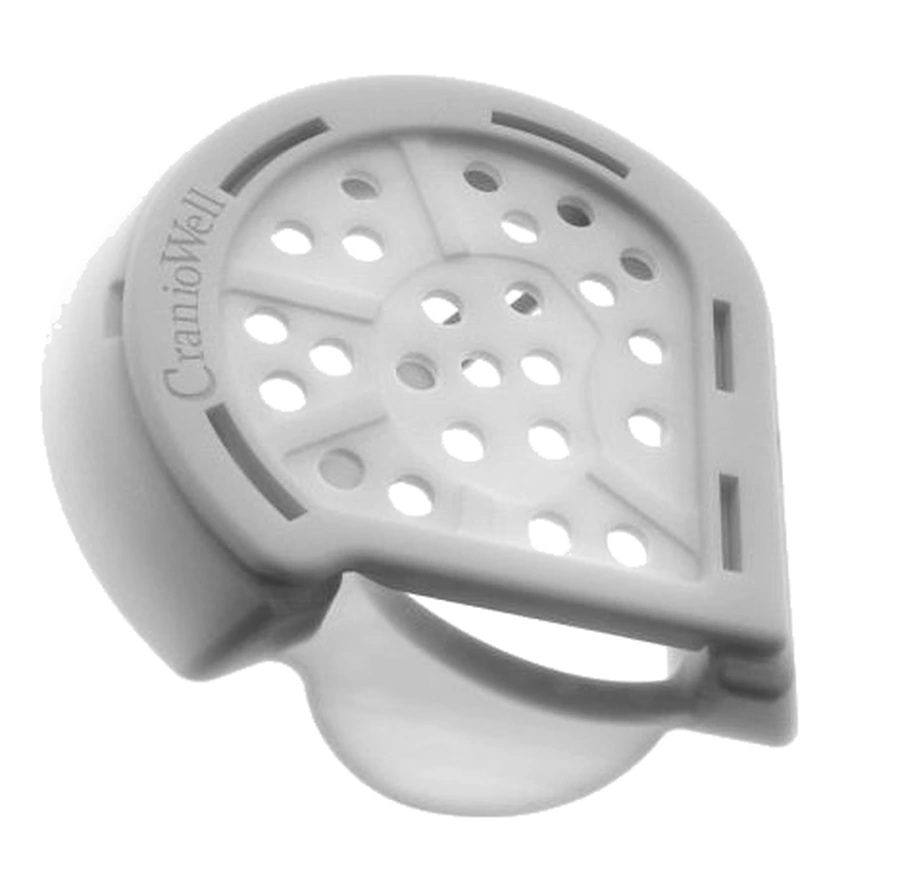
Applied within the first 8 weeks after birth, this method takes advantage of the softness of the cartilage. No general anaesthesia is required and there is no recovery period. For detailed application steps, please refer to our non-surgical ear shaping guide.
If the baby is over 2 months of age and the deformity is significant, surgery is generally deferred until around age 5–6 (pre-school). By this age, ear development is 90% complete. Surgery provides permanent results but carries anaesthetic and surgical risks.
If you notice any of the following signs in your baby’s ears, you should consult a specialist without delay: