
Ear Shaping
Baby Ear Correction Devices: CranioWell and Shaping Tapes
Compare professional infant ear molding systems with simple aesthetic tapes—application, skin care tips, and why early physician-guided care matters.
Ear Shaping
Compare professional infant ear molding systems with simple aesthetic tapes—application, skin care tips, and why early physician-guided care matters.
Parents who notice an ear shape difference often ask which device is more appropriate. Options range from professional systems to simple home tapes. This article explains differences between baby ear correction devices and what to expect from each approach.
Direct answer: Professional molding systems such as CranioWell are designed for clinical, physician-guided ear shaping in early infancy. Simple aesthetic tapes mainly offer temporary appearance changes rather than structured, lasting correction.
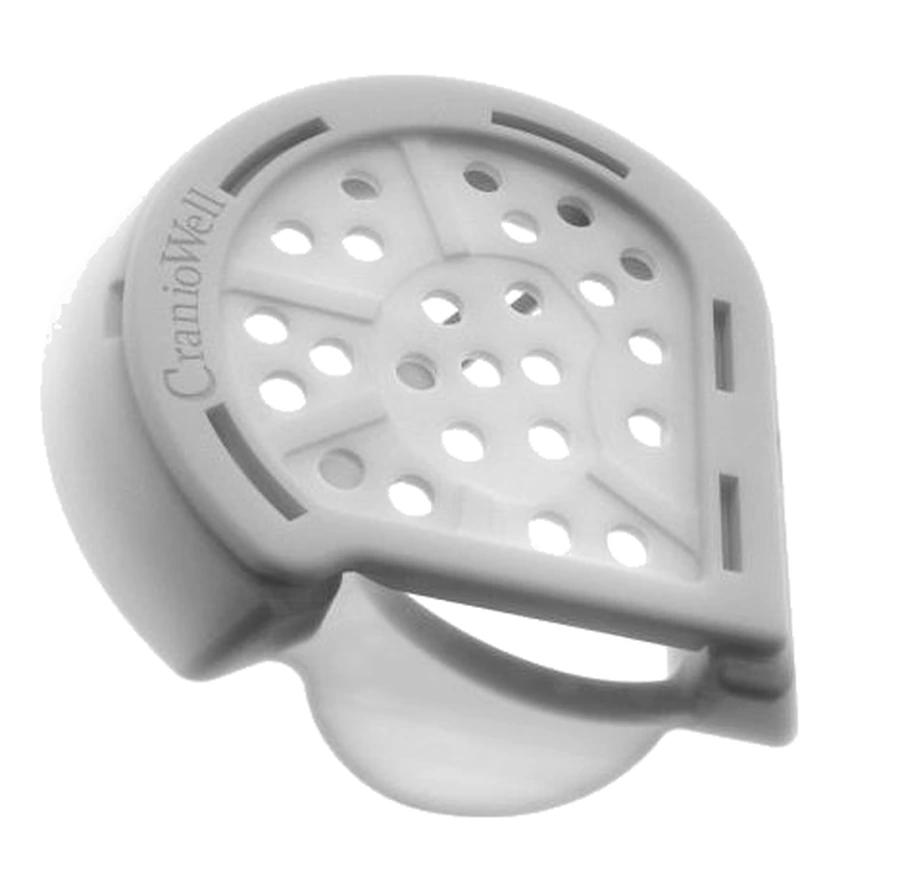
CranioWell is a non-surgical ear molding system intended to shape key ear contours (helix, antihelix, concha) while cartilage is still soft. The baby ear corrector set is applied by treating physicians.
| Feature | CranioWell System | Shaping Tapes |
|---|---|---|
| Applied by | Treating physician | Usually parent |
| Intended result | Structured early correction | Often temporary appearance |
| Typical duration | About 2–8 weeks | Ongoing use |
| Skin sensitivity | Medical-grade materials; still monitor skin | Higher irritation/allergy risk possible |
Infant skin is thin and sensitive. Skin irritation is one of the most common issues with baby ear correction devices.
For the overall process and which method may suit which deformity, see our baby ear correction guide. To find a treating physician, visit find a specialist.
In practice, consistency is one of the most important factors. If the device loosens or the baby plays with it, the process can take longer.
If you are unsure whether the issue is prominent ears alone or another deformity, compare visuals in our infant ear shaping methods article.
If your baby is still in the earliest months and you want a structured non-surgical pathway, discuss CranioWell with a treating physician. CranioWell is developed for infants’ delicate anatomy. Simple tapes are better viewed as temporary visual aids.
FAQ
How long does the CranioWell system take to show results?
Depending on age and deformity type, treatment often lasts about 2 to 8 weeks.
Are baby ear tapes sold in pharmacies?
Some simple aesthetic tapes may be available in pharmacies, but professional systems such as CranioWell are typically obtained through authorized channels and applied by treating physicians.
Can I bathe my baby while the device is on?
Keeping the area dry helps preserve adhesion and prevent moisture under the device. Cleaning with a damp cloth is often preferred—follow your clinician’s instructions.
What if the skin becomes red?
Stop application, clean the area, and consult a pediatrician. Even with medical-grade materials, every baby’s skin sensitivity differs.
Can CranioWell be used at any age?
Response is generally strongest in the first 0–2 months, when cartilage is softest. As cartilage hardens with age, treatment may take longer or be less suitable.