
Ear Shaping
Common Ear Deformities in Babies | CranioWell
Guide to common newborn ear deformities—prominent ear, Stahl’s ear, lop ear, cup ear—and when non-surgical molding or later surgery may be considered.
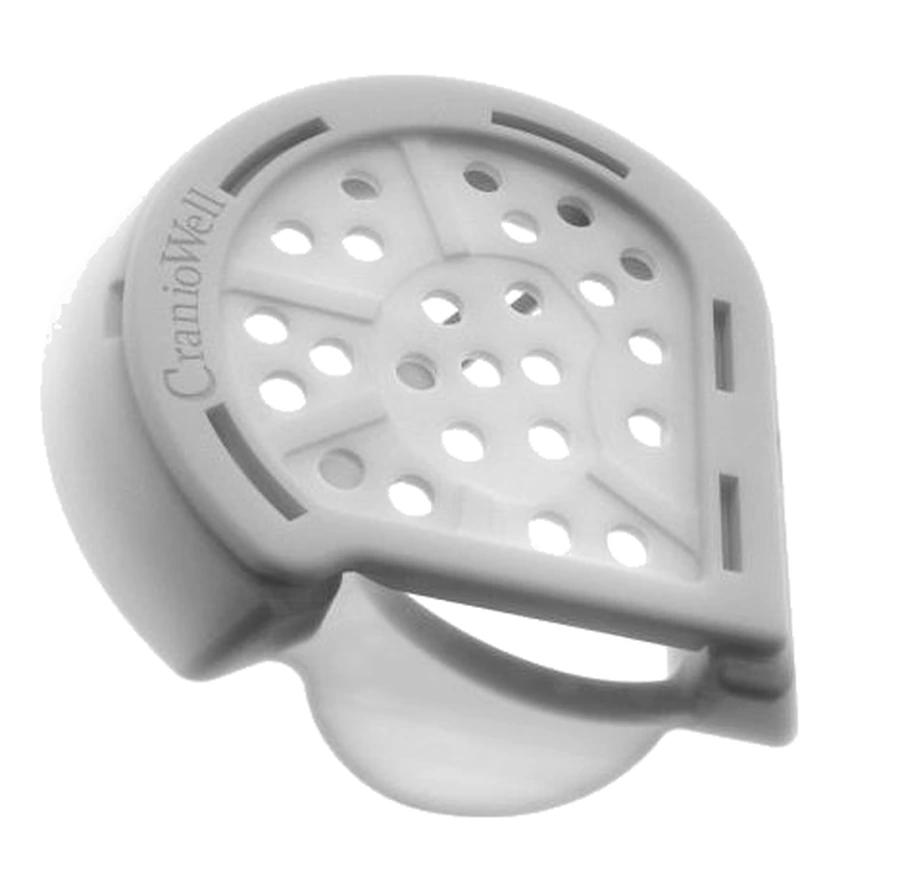
Ear Shaping
Guide to common newborn ear deformities—prominent ear, Stahl’s ear, lop ear, cup ear—and when non-surgical molding or later surgery may be considered.
About 15 to 30 of every 100 babies are born with some form of ear deformity. This can worry parents, but many differences can be improved without surgery when identified early. Infant ear correction is planned according to the type of deformity and is applied by treating physicians.
The pinna sits farther from the head than usual. It often relates to incomplete development of the antihelical fold. It is the most common ear shape difference in the community.
The upper ear projects outward in a pointed shape, caused by an extra cartilage fold called a “third crus.” It can be cosmetically noticeable and is often suitable for non-surgical ear molding when started early.
The upper ear folds onto itself. In mild cases only the tip is bent; in more severe cases the ear canal opening can be affected.
The ear is smaller than usual and drawn inward in a cup-like shape. Cartilage deficiency or shortness may be present. Treatment can be more complex than for some other deformities.
| Deformity type | Appearance | Non-surgical molding (early start) |
|---|---|---|
| Prominent ear | Sits away from the head | Often favorable response |
| Stahl’s ear | Pointed upper rim | Often favorable response |
| Lop ear | Upper ear folding | Often favorable response |
| Cup ear | Constricted, smaller ear | Variable; may be more complex |
| Cryptotia | Upper ear hidden under skin | Variable response |
When diagnosed in early infancy, non-surgical ear molding is usually considered first. If that early window is missed, care may later move toward surgery.
Applied within about the first 8 weeks after birth, this method uses the softness of newborn cartilage. General anesthesia is not used and there is no surgical recovery period. Treating physicians apply the ear set. For more detail, see our non-surgical ear molding guide.
If the baby is older than about 2 months and the deformity remains marked, surgical discussion is often deferred until around ages 5–6 (before school), when ear growth is largely complete. Surgery can provide lasting change but involves anesthesia and surgical risks.
If you notice any of the following, consult a physician without delay: