
Ear Shaping
Infant Ear Correction: A Non-Surgical Early Intervention Guide
Why the first weeks matter for non-surgical infant ear molding, common deformities, molding versus otoplasty, and physician-applied CranioWell care.
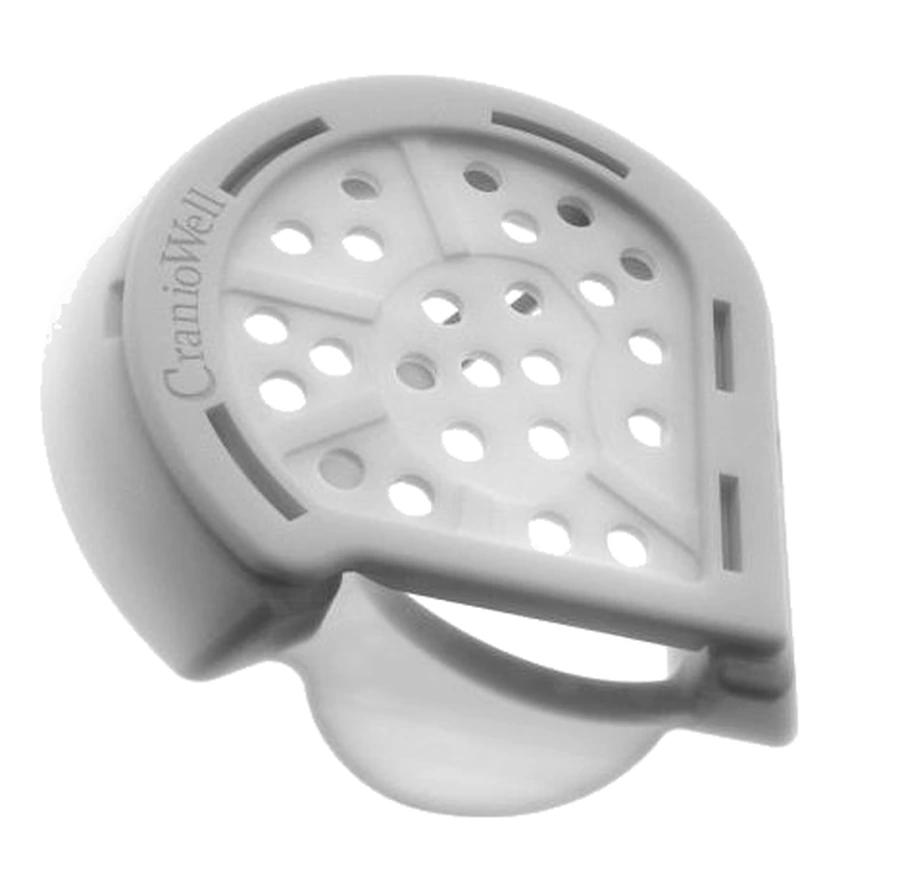
Ear Shaping
Why the first weeks matter for non-surgical infant ear molding, common deformities, molding versus otoplasty, and physician-applied CranioWell care.
Infant ear shape differences are common, seen in roughly 15% to 30% of newborns. Many parents hope the ears will improve with time, yet untreated differences often remain. Infant ear correction in the first weeks after birth can produce strong results without surgery when cartilage is still soft and moldable.
Direct answer: Infant ear correction uses splints or ear molding during the newborn period, when cartilage is still soft and shapeable, to guide the ear toward a more aesthetic form. This approach can reduce the later need for otoplasty (ear surgery).
Learn more about infant ear molding methods to understand which system may suit your baby. Ear molding is applied by treating physicians.
Newborn ear cartilage is highly flexible under the influence of maternal estrogen. Hormone levels begin to fall after about week 6 and cartilage stiffens by around week 12. For that reason, infant ear correction tends to respond best when started in roughly the first 2–6 weeks.
| Feature | Non-Surgical Correction (Molding) | Surgical Intervention (Otoplasty) |
|---|---|---|
| Typical age | 0–3 months | About 5–6 years and older |
| Anesthesia | Not required | General anesthesia |
| Risk profile | Minimal | Infection, scarring |
| Recovery | Immediate return to routine | About 1–2 weeks |
| Durability | Intended to be lasting | Intended to be lasting |
Ear structures that commonly need correction include:
See our article on correcting protruding ears in infants for deformity-specific care details.
CranioWell focuses on low-invasiveness aesthetic and functional corrections during early development. Treating physicians assess ear structure and apply the appropriate splinting approach.
No. Non-surgical splinting is generally painless. Infants usually tolerate the device well.
Duration depends on age. Newborns may need about 2–4 weeks; around 2 months of age, courses may last about 6–8 weeks.
Home taping without professional guidance can irritate skin or create unwanted shape. Physician-supervised care is essential.
When started in the first weeks, many infants show substantial improvement. Exact results vary by deformity type and timing.
Coverage often depends on whether the procedure is classified as aesthetic care and on your private policy terms.