
Ear Shaping
Newborn Ear Deformities: Signs, Types, and Treatment Options
Common newborn ear deformities—prominent ear, Stahl, lop, cryptotia—and why early physician-applied molding matters before cartilage hardens.
Ear Shaping
Common newborn ear deformities—prominent ear, Stahl, lop, cryptotia—and why early physician-applied molding matters before cartilage hardens.
About 15% to 30% of babies are born with some form of ear deformity. Some parents hope it will improve over time, yet research indicates that a large share of untreated deformities remain permanent. This article covers the most common ear shape concerns and how non-surgical ear correction in infants can address them. Early recognition of newborn ear deformities can reduce the need for later surgical intervention.
Short answer: Newborn ear deformities are shape concerns of the ear cartilage from genetic factors or intrauterine pressure. The most common types are prominent ear, Stahl’s ear, lop ear, and cryptotia. When diagnosed early, many cases can be managed with molding methods applied by treating physicians—without surgery.
Ear anomalies in babies are not only an aesthetic issue; they can later affect a child’s self-confidence. The most common types:
The ear stands more than 2 cm from the side of the head. It usually results from absence of the antihelical fold. Non-surgical ear correction systems can help recreate this fold when applied by a treating physician.
The upper ear takes a pointed form because of a third cartilage fold (crus). It is sometimes called Spock ear because of the resemblance to the fictional character.
The upper part of the ear is folded forward or downward, often from cartilage deficiency or weakness.
The upper ear is buried under the scalp. Glasses or masks may be harder to wear.
| Deformity type | Appearance | Early molding |
|---|---|---|
| Prominent ear | Excess projection from the head | Often suitable when started early |
| Stahl’s ear | Pointed, triangular upper structure | Often suitable when started early |
| Lop ear | Upper rim folded downward | Often suitable when started early |
| Cryptotia | Upper cartilage under the skin | Often suitable when started early |
| Cup ear | Ear curled inward like a cup | Often suitable when started early* |
* Suitability and response vary with age at start and individual anatomy. Outcomes are not guaranteed.
Newborn ear cartilage is soft and moldable thanks to maternal estrogen after birth. Interventions in this period can help the cartilage hold a new shape. If the first 2–4 weeks are missed, cartilage hardens and the remaining option is often surgical otoplasty after ages 5–6. Surgery is more costly and carries general anesthesia risks.
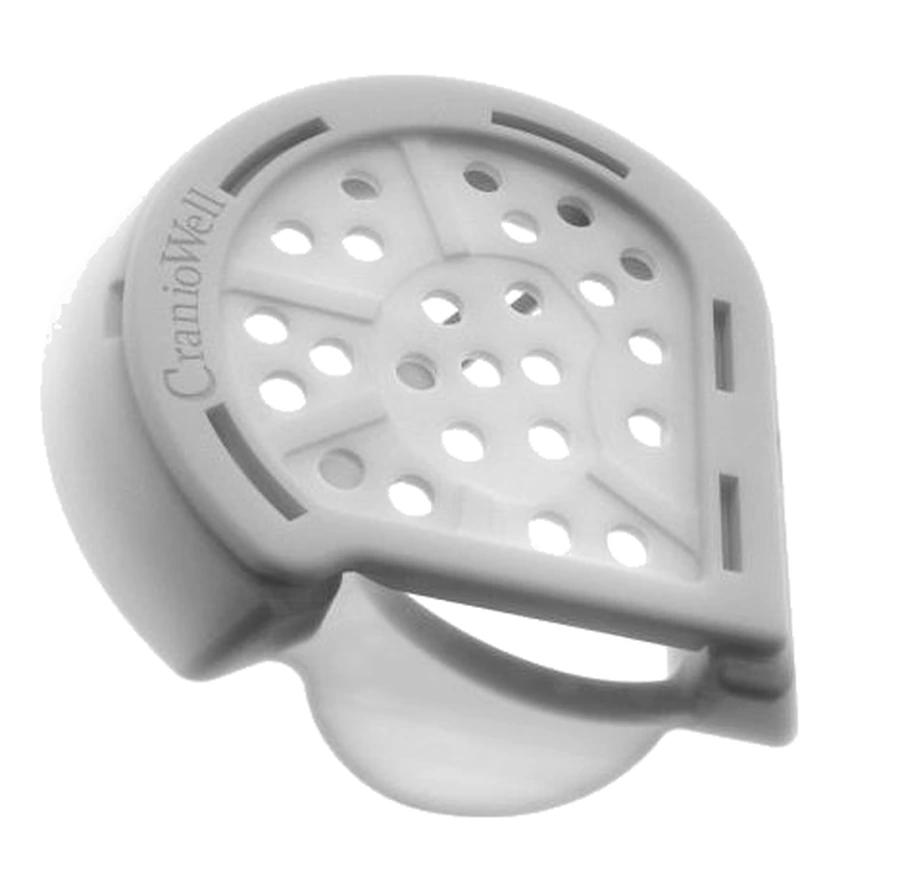
Many families think taping the ears back will work. Taping only pulls the ear toward the head; it cannot correct structural problems in the inner folds (antihelix, scapha). Professional molding systems rebuild the ear in three dimensions and are applied by treating physicians.
As soon as you notice asymmetry, folding, or excess projection, consult a specialist. A “it will fix itself” approach can mean losing the non-surgical treatment window.
Yes—if prominent ear or similar conditions run in the family, likelihood is higher. Position in the womb can also play a role.
No. Stahl’s ear is a structural cartilage concern and generally does not correct without professional intervention.
Most ear deformities involve the outer ear and do not affect hearing. Cases such as cryptotia can make ear hygiene harder.
After about 3 months cartilage is usually too firm for molding. The preferred window is the first 6 weeks.
Lasting deformities usually come from structural cartilage issues rather than sleep position, though position can make an existing concern more noticeable.
CranioWell supports newborn ear health with products applied by treating physicians. For related head-shape concerns, cranial helmets are fitted only at CranioWell Orthotics & Prosthetics Centers.