
Helmet Therapy
Helmet Therapy Costs and Insurance Coverage: A Parent’s Guide
Learn about helmet therapy (cranial orthosis) for infants. Detailed information on the treatment process, reasons, benefits, and insurance coverage.
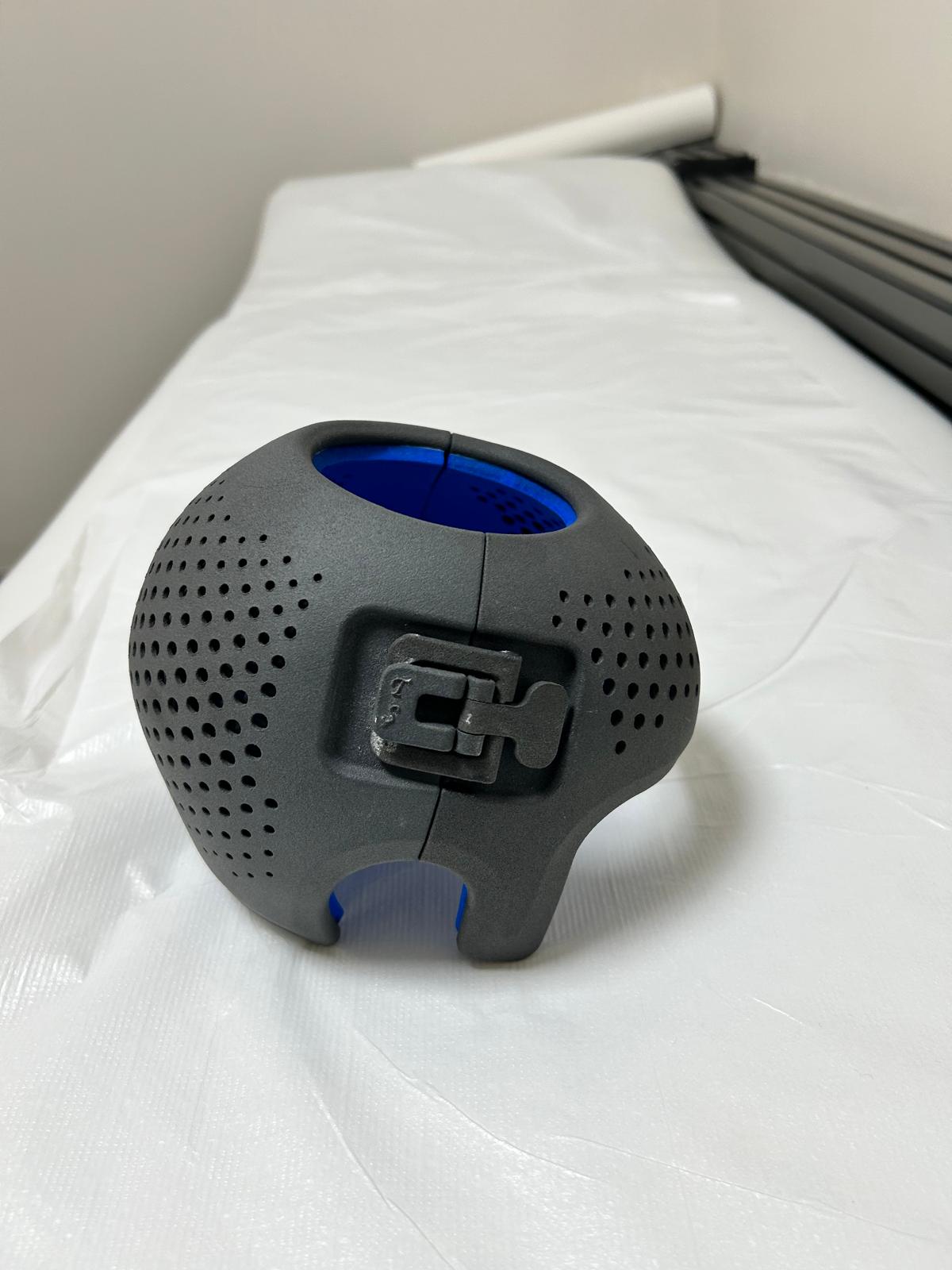
Helmet Therapy
Learn about helmet therapy (cranial orthosis) for infants. Detailed information on the treatment process, reasons, benefits, and insurance coverage.
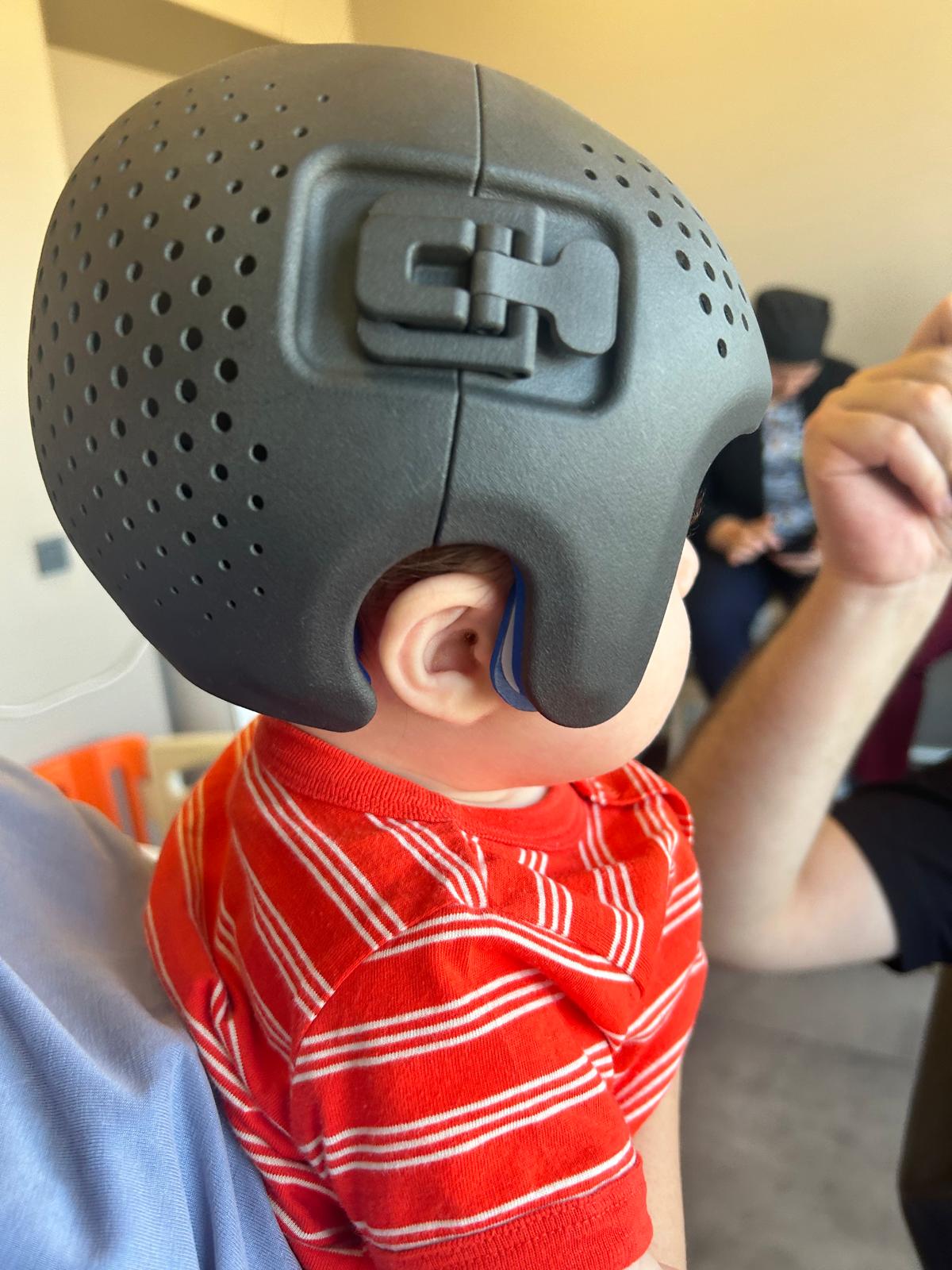
Cranial deformities in infants can be a source of concern for parents. Fortunately, highly effective methods are available today to correct these conditions. Among these, "helmet therapy," medically known as "cranial orthosis," is one of the most common and preferred treatments. In this comprehensive guide, we will delve into what helmet therapy is, why it's applied, the treatment process, its most inquired-about costs, and insurance coverage.
Hat therapy is a custom-designed medical device used to correct moderate to severe head shape deformities (plagiocephaly, brachycephaly, scaphocephaly, etc.) in infants. These special helmets utilize the baby's skull's growth potential, applying pressure to specific areas or leaving space to allow the head to naturally reshape. The goal is to achieve a symmetrical and healthy skull structure for the baby.
Reasons for Applying Helmet Therapy:
These conditions can often result from infants lying in the same position for extended periods (positional torticollis or plagiocephaly), the flexibility of the skull in premature babies, or, less commonly, conditions like craniosynostosis. Helmet therapy is a non-surgical, safe, and effective method for correcting these deformities.
The helmet therapy process involves several steps and is personalized for each baby:
Advantages of Helmet Therapy:
Hat therapy costs can vary depending on several factors. These factors include:
For exact pricing information, it is essential to contact the center where you are considering treatment.
Whether helmet therapy is covered by insurance varies depending on the details of your insurance policy and the healthcare system of the respective country. In Turkey:
Important Note: If you start treatment without obtaining approval from your insurance company or SGK, reimbursement may become difficult. Therefore, it is highly recommended to clarify your insurance status before commencing the treatment process.
The following table provides a general overview of helmet therapy costs and insurance coverage:
| Feature | State Hospital (SGK) | Private Health Insurance | Private Clinic / Center |
|---|---|---|---|
| Basic Coverage | Out of scope. | Varies by policy, pre-approval may be required. | Fully paid by the patient (upfront or in installments). |
| Cost | Covered by the patient. | Varies by policy coverage (full or partial reimbursement). | Entirely the patient's responsibility. |
| Required Documents | – | Policy details, doctor's report, invoice, pre-approval letter. | Appointment, measurement, and payment plan for fabrication. |
| Process | – | Awaiting insurance company approval. | Generally faster. |
How long does helmet therapy for infants last?
The treatment duration typically ranges from 4 to 9 months, but this can vary depending on the baby's age, the severity of the deformity, and the skull's growth rate.
Will a flat head correct after 6 months?
Yes, helmet therapy can still be effective after 6 months. However, the ideal treatment period is generally between 4-18 months. As the baby gets older, the treatment duration may increase, and the success rate may decrease.
Why is helmet therapy performed on infants?
Helmet therapy is performed to correct head shape deformities in infants, such as plagiocephaly and brachycephaly, using a non-surgical method.
In which conditions is a helmet worn?
Helmet therapy is generally used for positional head shape deformities (plagiocephaly, brachycephaly, scaphocephaly). For conditions like craniosynostosis, different treatment methods may be required.
Is helmet therapy expensive?
Helmet therapy can be costly depending on the technology used and the treatment duration. However, this cost can be reduced with private health insurance coverage. It is important to research as prices vary from center to center.
Can a baby wearing a helmet not move?
No, helmets are designed not to restrict the baby's movements. They are lightweight and do not hinder the baby's motor development.
Hat therapy is an extremely effective and safe method for correcting head shape deformities in infants. It is crucial to consult specialist physicians and treatment centers for detailed information on the treatment process, costs, and insurance coverage to make the right decision. As parents, closely monitoring this process and taking the most appropriate steps for your baby's health should be your top priority.