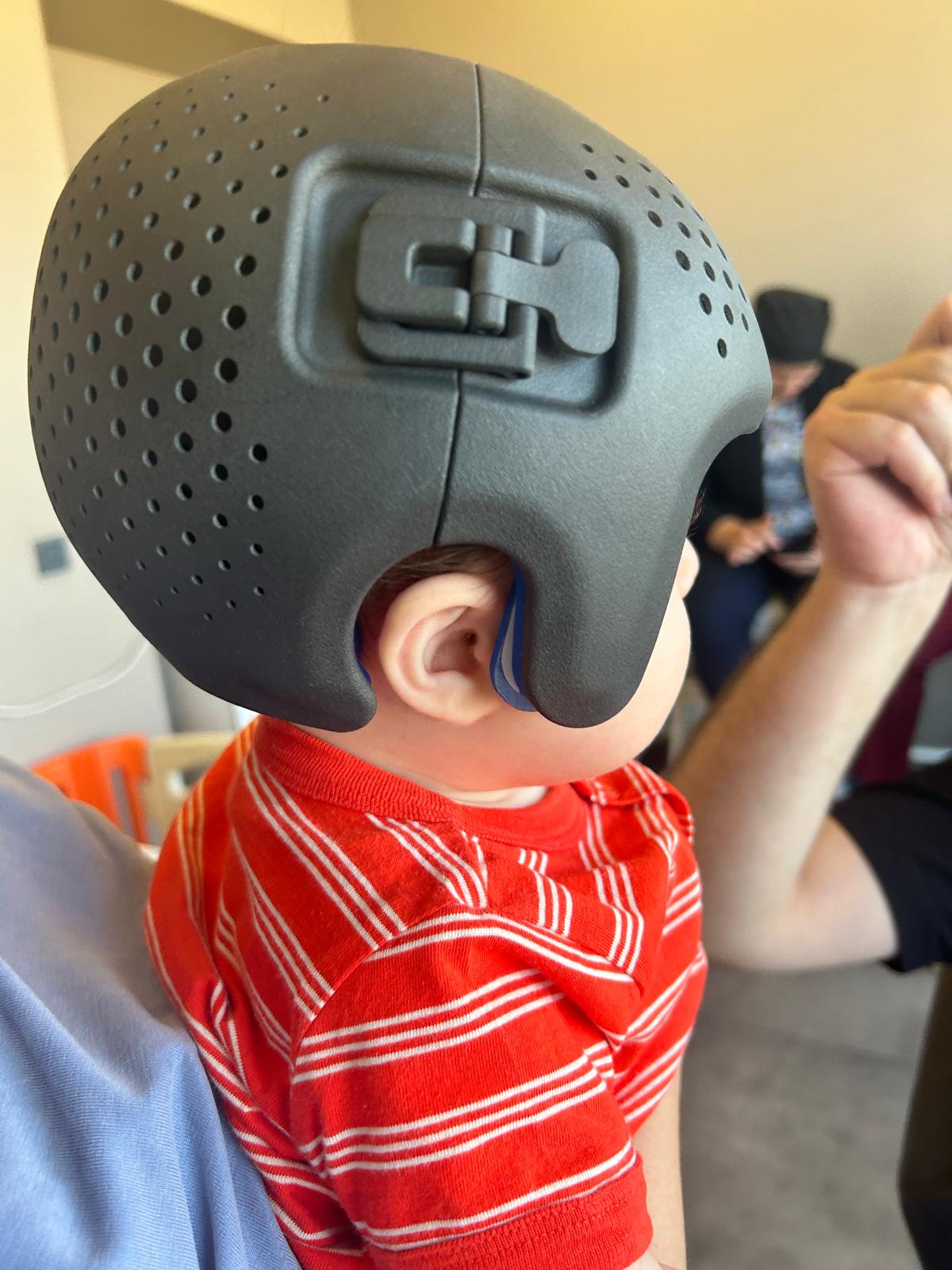
Head shape abnormalities in infants are a common concern for parents. Fortunately, innovative methods are now available that prioritize both infant comfort and treatment effectiveness. Among these, the CranioWell HKM Pro helmet therapy stands out, specifically designed with the baby's well-being and treatment success in mind. In this comprehensive review, we will delve into what CranioWell HKM Pro helmet therapy entails, the conditions it addresses, the treatment process, its overall effectiveness, and most importantly, the comfort level experienced by infants during this therapy.
Causes of Head Shape Abnormalities in Infants
Head shape abnormalities in infants are also known in medical literature as cranial asymmetries or positional plagiocephaly. These conditions can arise from a combination of factors. The most common causes include:
Positional Plagiocephaly (Flat Head Syndrome)
This is the most prevalent head shape abnormality in infants. It occurs when a specific area of the baby's skull flattens due to their position in the womb or prolonged periods spent lying in the same position after birth. As infants develop their ability to turn their heads, they often self-correct this condition. However, in some cases, professional intervention may be necessary.
Positional Brachycephaly
In this condition, the baby's head appears flattened from the sides and wider and taller at the back. It is typically associated with infants being placed on their backs and a tendency to consistently turn their heads in the same direction. This results in the head appearing generally shorter and wider.
Positional Scaphocephaly
This rarer condition involves a narrowing of the baby's skull at the front and back, with a longer, oval shape on the sides. It can be associated with genetic predispositions or specific in-utero positions.
Craniosynostosis (Structural Abnormalities)
Unlike the positional abnormalities mentioned above, this is a more serious condition resulting from the premature fusion of skull bones. Craniosynostosis often requires surgical intervention as it can affect the baby's brain development. This article focuses on positional head shape abnormalities that do not require surgery.
While these positional abnormalities may not directly impact an infant's physical development, they can cause aesthetic concerns for parents. In rare instances, severe asymmetries can indirectly lead to issues with sensory functions like hearing or vision, making early diagnosis and appropriate treatment methods crucial.
What is CranioWell HKM Pro Helmet Therapy?
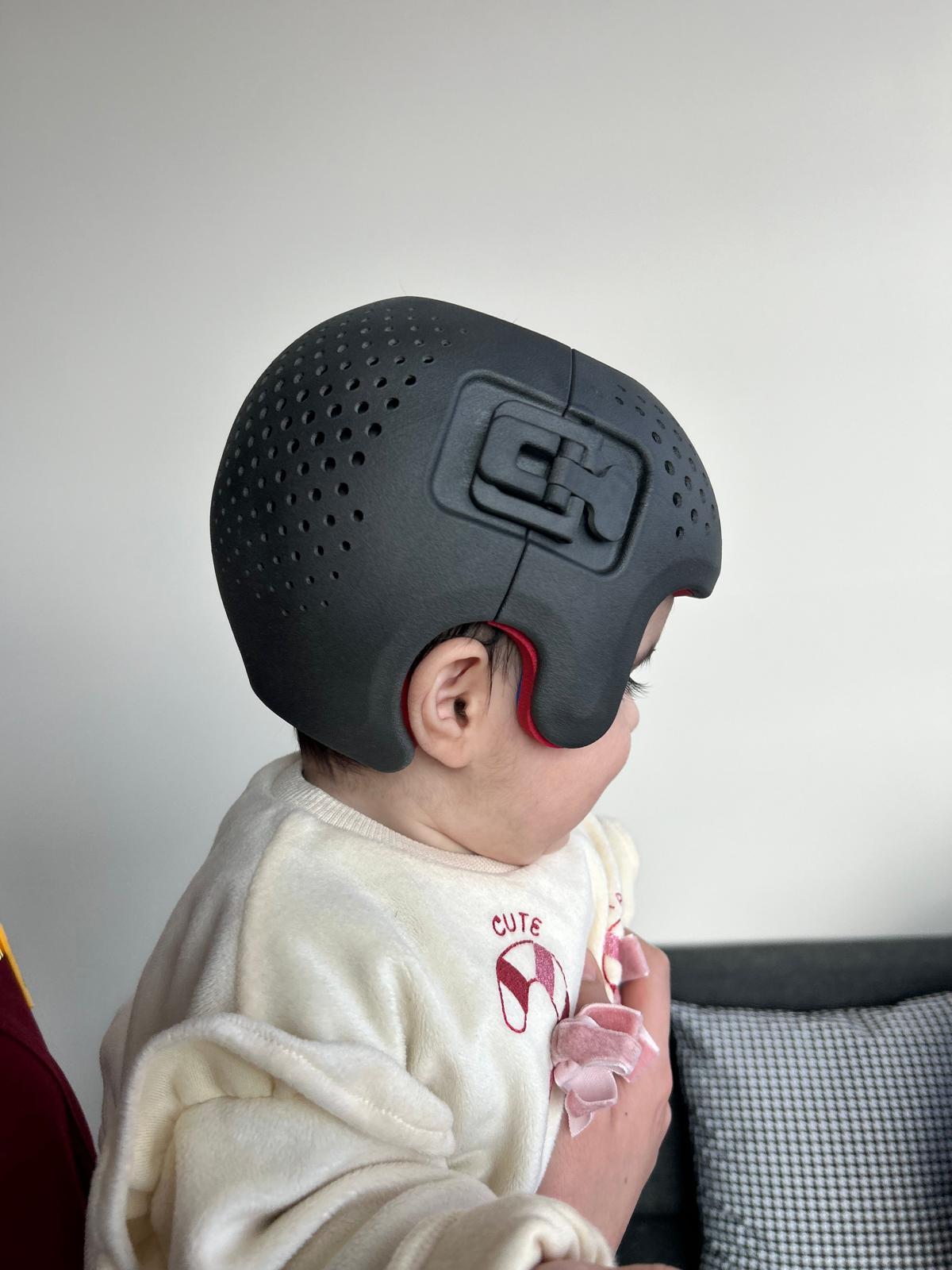
CranioWell HKM Pro helmet therapy is a custom-made medical orthosis designed to correct positional head shape abnormalities in infants. This treatment method is based on the principle of preventing the growth of flattened or asymmetrical areas of the infant's skull while simultaneously utilizing the skull's natural growth potential to achieve a rounder, more symmetrical shape. The helmet guides the skull's growth in a controlled manner to correct its shape.
CranioWell HKM Pro helmets are manufactured from lightweight, durable, and breathable specialized materials. The inner surface of the helmet is custom-made using precise measurements or advanced 3D scanning techniques to ensure a perfect fit for the baby's head. This personalized design aims to maximize treatment effectiveness while ensuring maximum comfort for the infant throughout the therapy.
When is CranioWell HKM Pro Helmet Therapy Applied?
CranioWell HKM Pro helmet therapy is generally recommended for infants between 3 and 18 months old to correct positional head shape abnormalities. This age range is a critical period when the infant's skull bones are still flexible and undergoing rapid growth. This rapid growth allows the orthosis to have the greatest shaping effect. The timing of treatment initiation is determined by specialist physicians based on the severity of the abnormality and the infant's overall development.
Before deciding on helmet therapy, less invasive methods are typically attempted. These include positional therapies, which involve repositioning the infant, and tummy time exercises. If these methods do not yield sufficient results, or if the head shape abnormality is more pronounced, more effective methods like CranioWell HKM Pro helmet therapy may be considered.
CranioWell HKM Pro Helmet Therapy Process and Duration
The CranioWell HKM Pro helmet therapy process typically involves meticulously planned steps:
- Evaluation and Measurement: A specialist physician or orthotist thoroughly examines the infant's head structure. Special measuring tools or 3D scanning devices are used to determine the asymmetry and severity of the head shape. In some cases, a plaster cast may also be taken.
- Helmet Design and Manufacturing: Based on the precise measurements obtained, the CranioWell HKM Pro helmet is custom-designed and manufactured for the infant's head. This personalized manufacturing process usually takes a few weeks.
- Fitting and Adjustments: The manufactured helmet is fitted to the infant for the first time, and experienced technicians make the necessary adjustments. Assurance is made that the helmet fits perfectly, does not create any pressure points, and does not cause discomfort to the infant.
- Usage and Follow-up: The CranioWell HKM Pro helmet is generally recommended to be worn 20-23 hours a day. Continuous wear is critical for treatment effectiveness. The duration of treatment varies depending on the severity of the head shape abnormality, the infant's age, and their response to treatment, but it typically lasts between 4 to 6 months on average. Regular follow-up appointments are scheduled throughout the treatment. During these check-ups, necessary adjustments are made to ensure the helmet accommodates the infant's growth, and the treatment progress is closely monitored.
Effectiveness of CranioWell HKM Pro Helmet Therapy and Infant Comfort
The effectiveness of CranioWell HKM Pro helmet therapy is scientifically proven through numerous clinical studies and thousands of successful cases. High success rates are achieved, particularly for common head shape abnormalities like positional plagiocephaly and brachycephaly. The success of the treatment is directly linked to early initiation, correct and consistent use of the helmet, and regular check-ups by specialists.
Infant comfort is at the core of the CranioWell HKM Pro helmet therapy's design philosophy. Helmets produced using advanced material technology and custom design possess the following features:
- Lightweight: The lightweight construction of the helmets does not place additional strain on the infant's neck muscles, enhancing overall comfort.
- Breathability: Specially selected materials ensure airflow, minimizing skin irritation and excessive sweating.
- Soft Padding: Soft and supportive padding used on the inner surface of the helmet reduces pressure points, providing the infant with a comfortable fit.
- Ease of Use: The ease with which the helmets can be put on and taken off makes daily care and hygiene processes more practical for parents.
Initially, it may take some time for infants to adjust to the new environment and the helmet. However, with parental patience and proper guidance from physicians, most infants quickly adapt to wearing the helmet and continue their daily routines, playtime, and sleep patterns without issue.
Helmet Therapy vs. Other Methods: A Comprehensive Comparison
Various approaches exist for treating head shape abnormalities in infants. CranioWell HKM Pro helmet therapy offers distinct advantages when compared to other methods:
| Feature |
CranioWell HKM Pro Helmet Therapy |
Positional Therapy and Exercises |
Surgical Intervention |
| Applicability |
Moderate to severe positional abnormalities, infants aged 3-18 months |
Mild positional abnormalities, early stages, supportive treatment |
Severe structural abnormalities, craniosynostosis, cases unresponsive to other treatments |
| Effectiveness |
High (especially when started early and used correctly) |
Limited (effective in mild cases, may be insufficient in severe ones) |
High (but with surgical risks and longer recovery time) |
| Comfort |
High (custom design, lightweight and breathable material) |
Very High (natural and non-invasive process) |
Low (post-surgery recovery, potential pain and discomfort) |
| Duration |
Average 4-6 months, requires 20-23 hours of wear per day |
Requires constant attention and parental application, variable results |
Surgery and recovery period, often requires additional treatments and long-term follow-up |
| Cost |
Medium-High (medical device, custom manufacturing, and follow-up costs) |
Low (methods applied at home by parents) |
High (surgical operation, hospital expenses, anesthesia, and recovery period costs) |
| Risks |
Skin irritation or redness (rare), adjustment issues (rare) |
Risk of insufficient effectiveness, risk of time loss |
Infection, anesthesia risks, bleeding, wound healing issues, uncertainty in aesthetic outcome |