Head shape deformities in infants can naturally be a cause for concern for parents. However, helmet therapy, one of the innovative solutions offered by modern medicine, is a highly effective method for overcoming such issues. In this treatment process, the informed, patient, and active participation of families has a direct and decisive impact on the success of the process. Helmet therapy is not just the application of a medical device, but a holistic journey shaped by the adaptation, support, and patience shown by families.
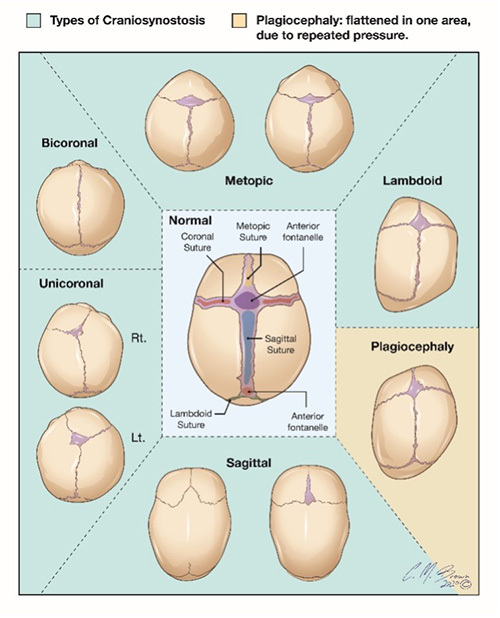
An infant's skull is quite flexible and soft after birth. This flexibility is a vital adaptation that allows the baby's head to pass easily through the birth canal during delivery. However, this delicate structure also makes the skull more vulnerable to external factors and prone to various shape deformities. The most common causes and types of head shape deformities include:
Positional Plagiocephaly (Flat Head Syndrome)
This condition occurs when a specific area of the skull flattens due to the baby being laid or held in the same position for extended periods. Especially with the recommendation of placing babies on their backs, this syndrome is seen more frequently due to the pressure created during sleep. It can manifest as flattening on the back or sides of the head.
Brachycephaly (Short and Wide Head)
Brachycephaly is a condition where the baby's skull is wide from the sides and short and flattened from front to back. The overall appearance of the head becomes rounder and flatter.
Scaphocephaly (Long and Narrow Head)
Scaphocephaly, on the other hand, is when the baby's skull has a longer and narrower structure than normal. This condition causes the front and back parts of the head to be more prominent.
Craniosynostosis (Prematurely Fused Skull Bones)
This is a rarer but more serious condition. Craniosynostosis is the premature fusion and closure of skull bones. This condition may not leave enough space for brain development and usually requires surgical intervention. Helmet therapy can also be used as a supportive measure after craniosynostosis surgery to correct deformities or in the preparation phase for surgery.
Early diagnosis and proper management of these head shape deformities are of great importance for both the baby's physical appearance and their future cognitive and developmental health.
What is Helmet Therapy and How Does It Work?
Helmet therapy, also known as 'cranial orthosis,' is a non-surgical treatment method that uses a specially designed device to correct the shape of the baby's skull. This treatment works by guiding the natural growth potential of the baby's skull bones. The basic principle of the helmet is to apply gentle but continuous pressure to the deformed or flattened areas, slowing down bone growth in that region and instead encouraging growth towards the areas of the skull that offer less resistance. This controlled guiding process gradually leads to a more symmetrical and desired head shape over time.
Mechanism of Helmet Therapy:
- Applying Pressure: The orthotic helmet limits growth in deformed areas by applying gentle pressure to the protruding or wider areas of the baby's skull.
- Guiding Growth: By utilizing the skull's natural growth tendency, growth is encouraged towards the boşluklar (voids) where the helmet is not applying pressure.
- Creating Symmetry: As the baby grows and the skull expands, this guiding process helps the skull achieve a more balanced and symmetrical shape.
This method is generally a painless and comfortable process for infants. The success rate of the treatment varies depending on factors such as the age at which treatment begins, the severity of the deformity, the baby's growth rate, and most importantly, how well the family adheres to the treatment.
The Family's Role in the Helmet Therapy Success Journey: A Matter of Coordination
Helmet therapy is not merely about fitting an orthotic device onto the baby; it is a comprehensive process that requires the active participation, understanding, and patience of families. The role of families in this journey is a critical factor that directly impacts the effectiveness and ultimate success of the treatment.
1. Early Diagnosis and Informed Decision-Making
- Parental Awareness: It is the first and most crucial step for parents to notice potential head shape deformities in their babies early on and to consult a pediatrician or a specialized center without delay if they have concerns.
- Detailed Information: It is essential to receive complete and transparent information about the necessity of helmet therapy, its potential benefits, possible risks, the treatment process, and alternative treatment methods during consultations with specialist doctors.
- Optimal Timing: The most suitable time for helmet therapy is generally when the baby is between 4 and 6 months old. Starting treatment during this early period, when skull growth is most rapid, ensures a shorter process and significantly increases the chances of success. As a general rule, treatments started after 8 months may take longer.
2. Perfect Adherence to the Treatment Process
- Continuous Helmet Use: The most important requirement of helmet therapy is strict adherence to the prescribed wearing schedule. The helmet, typically recommended to be worn 23-24 hours a day, should only be removed during feeding, bathing, or for specific exercises recommended by the doctor. This continuous use is vital for the effectiveness of the treatment.
- Patience and Motivation: The treatment process can last for 4 to 6 months or sometimes longer, depending on the severity of the deformity. During this period, parents' patience, positive management of the baby's adaptation process, and motivating both themselves and their babies support the overall treatment success.
- Managing Baby's Comfort: It is essential that the helmet fits snugly but does not cause discomfort. It may take time for the baby to get used to the helmet in the initial days. Parents managing the baby's interaction with the helmet positively, noticing and managing potential minor discomforts (e.g., skin redness) early on, and reporting them to their doctor ensures a smoother process.
3. Regular Check-ups and Precise Adjustments
- Expert Medical Follow-up: Helmet therapy must be closely monitored by experienced physicians and orthotists. Initial check-ups are usually performed within the first week after the helmet is fitted. These early checks are critical to ensure the helmet fits correctly and the baby is not experiencing any discomfort.
- Growth-Oriented Adjustments: As the baby grows, the skull also develops, and regular adjustments or sometimes remaking the helmet may be necessary to maintain its fit. During monthly check-ups, the helmet's fit on the baby's head, the effectiveness of pressure points, and the baby's growth rate are evaluated in detail.
- Immediate Feedback: It is of great importance for parents to immediately report any changes they observe in their babies, such as skin irritations, changes in sleep patterns, or signs of significant discomfort, to their doctor to prevent potential problems early on.
4. Creating a Supportive and Positive Environment
- Psychological Support Mechanisms: The helmet therapy process can be emotionally draining for parents at times. Mutual support among family members, sharing experiences with other families going through similar processes, and seeking professional psychological support when needed can make this process easier to navigate.
- Social Acceptance and Adaptation: Taking the baby out in social settings with the helmet helps both the baby get used to the situation and the environment adapt to it. Parents addressing their potential concerns about this and fully including their babies in their normal social activities is important for the baby's psychological development.
Helmet Therapy Process: A Step-by-Step Guide
- Comprehensive Evaluation: The specialist physician thoroughly examines the baby's head shape, takes measurements, and makes a definitive diagnosis by determining the type and severity of the existing deformity. If deemed necessary, advanced imaging methods may be requested for more detailed analysis.
- Measurement and Scanning: Depending on the nature and degree of the deformity, precise measurements of the baby's skull are taken using digital scanning or traditional plaster casting.
- Custom Helmet Manufacturing: Based on the measurements and obtained data, a lightweight, breathable, high-tech orthotic helmet specially designed for the baby's skull is manufactured.
- Initial Fitting and Adaptation Period: The helmet is fitted to the baby for the first time under the supervision of specialist technicians and physicians. Over the first few days, the helmet's wearing time is gradually increased to help the baby adapt to the device and its use.
- Regular Check-ups and Adjustments: During the treatment, typically monthly check-ups, the helmet's fit on the baby's head, the effectiveness of pressure points, the baby's growth rate, and changes in head shape are meticulously monitored. Necessary adjustments are made.
- Completion of Treatment: Treatment is concluded when the baby's head shape reaches the desired symmetry or when the skull's growth rate slows down to a point where it no longer responds to treatment. This process usually lasts 4-6 months but can vary depending on individual cases.
- Follow-up and Monitoring: After treatment is completed, follow-up checks may be performed at specific intervals as recommended by the doctor. This is important for ensuring the permanence of the achieved result.
Various approaches exist for treating head shape deformities in infants. Helmet therapy is one of the most effective and common of these approaches. However, there isn't a single standard treatment method for every situation. The following table presents a comparative overview of the main methods used in treating head shape deformities and the place of helmet therapy among these methods:
| Treatment Method |
Application Area and Effectiveness |
Advantages |
Disadvantages |
| Positional Methods |
Effective for mild cases of plagiocephaly and brachycephaly. Involves changing the baby's sleeping and playing positions. |
Non-surgical, low cost, does not require an additional device. |
May be insufficient for moderate to severe cases, requires constant parental attention, variable success rate. |
| 'Tummy Time' Exercises |
Aims to reduce pressure on the back of the skull and support its development by increasing the time babies spend on their stomachs. Beneficial for mild cases. |
Also supports the baby's motor skills, no additional cost, natural method. |
Time-consuming, may not be easily tolerated by all babies, not sufficient alone for severe deformities. |
| Helmet Therapy (Cranial Orthosis) |
Highly effective for moderate to severe positional head shape deformities (plagiocephaly, brachycephaly, scaphocephaly). Also used post-craniosynostosis surgery. |
High success rate, rapid results, safe non-surgical method, ensures symmetrical development of the baby's skull. |
Can be costly, baby's adaptation to the helmet may take time, requires full adherence to the treatment program by families, requires regular check-ups and adjustments. |
| Surgical Intervention |
Necessary for conditions like craniosynostosis or in very severe cases where helmet therapy is insufficient. |
Can permanently correct head shape deformities, can provide necessary space for brain development. |
High-risk procedure, long recovery period, carries risks of infection and other complications, high cost. |
Helmet therapy, when applied with correct diagnosis and timing, stands out as one of the most effective non-surgical methods. With the active participation of the family and the guidance of the doctor, this treatment plays a key role in helping babies achieve a healthy head structure.
To learn more about head shape deformities and helmet therapy, to schedule an appointment, or to ask your questions, you can contact us:
CranioWell Orthosis Prosthesis Manufacturing and Application Center
Address: Prof. Dr. Ahmet Taner Kışlalı, Bangabandhu Blv. Özçelik- Pelit İş Merkezi No:94 /30, 06810 Çankaya/Ankara
Phone: 0551 706 87 19