
Helmet Therapy
Infant Helmet Therapy: A Comprehensive Guide and Expert Opinions
Learn all about helmet therapy for infant cranial deformities. Get information on application, benefits, risks, and choosing the right center.
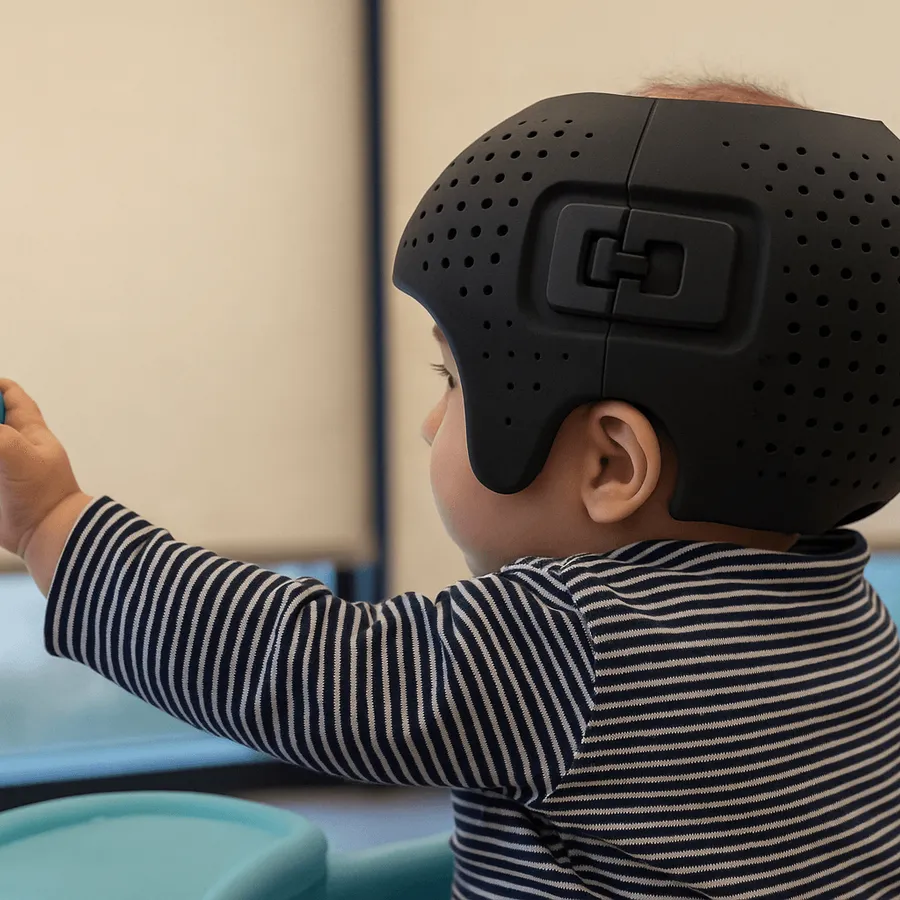
Helmet Therapy
Learn all about helmet therapy for infant cranial deformities. Get information on application, benefits, risks, and choosing the right center.
Cranial deformities in infants are a common concern for parents. These deformities often arise from the baby’s skull remaining in a specific position for extended periods, either in utero or post-birth. Fortunately, modern medicine offers effective solutions for these conditions, with helmet therapy being a primary treatment. So, what is helmet therapy, how is it applied, who is it suitable for, and what should parents pay attention to during this process? In this comprehensive guide, we will cover all aspects of helmet therapy.
Helmet therapy, also known as cranial orthosis, is a specially designed, lightweight, and breathable device used to correct cranial deformities in infants. This treatment aims to gently reshape flattened or asymmetrical areas of the baby’s skull, helping it achieve a natural and symmetrical form. Infant skull bones are quite soft and flexible after birth, which is a key factor enhancing the effectiveness of helmet therapy. The helmet guides the skull’s growth in specific directions, aiding in the correction of unwanted deformities.
Cranial deformities are commonly referred to by the following terms:
Beyond aesthetic concerns, these deformities can, in rare cases, carry potential risks that might affect brain development. Therefore, early diagnosis and the correct treatment method are of great importance.
Helmet therapy is generally recommended for infants between 3 and 18 months of age. However, this age range can vary depending on the severity and type of the deformity. The ideal time to start treatment is within the first 4-6 months, when the baby’s skull growth is most rapid. Treatment initiated during this period yields faster and more effective results. Suitability for treatment is determined by a detailed examination and 3D scan results from a specialist physician. The doctor will formulate the treatment plan considering the baby’s overall health, the degree, and type of cranial deformity.
The helmet therapy process typically involves the following steps:
It’s important to remember that the baby’s motor development is not hindered during treatment, and the helmet does not cause pain or discomfort. On the contrary, a properly designed helmet allows the baby to continue their normal activities.
Benefits:
Potential Risks and Considerations:
The success of helmet therapy depends on choosing the right center and an experienced team. When making a selection, consider the following points:
Remember, your baby’s health and development are your top priorities. Do not hesitate to consult your specialist doctor for more information about helmet therapy and to take the right steps for your baby. This treatment opens the door to a healthier and more aesthetic future for many infants.
You May Be Interested In: When to Start Helmet Therapy? The Most Ideal Months