
Ear Shaping
Non-Surgical Ear Correction: Early Intervention Guide for Parents
Non-surgical ear correction is most effective in the first 6 weeks of life. Learn how ear molding works, the ideal window for treatment, and expected results.
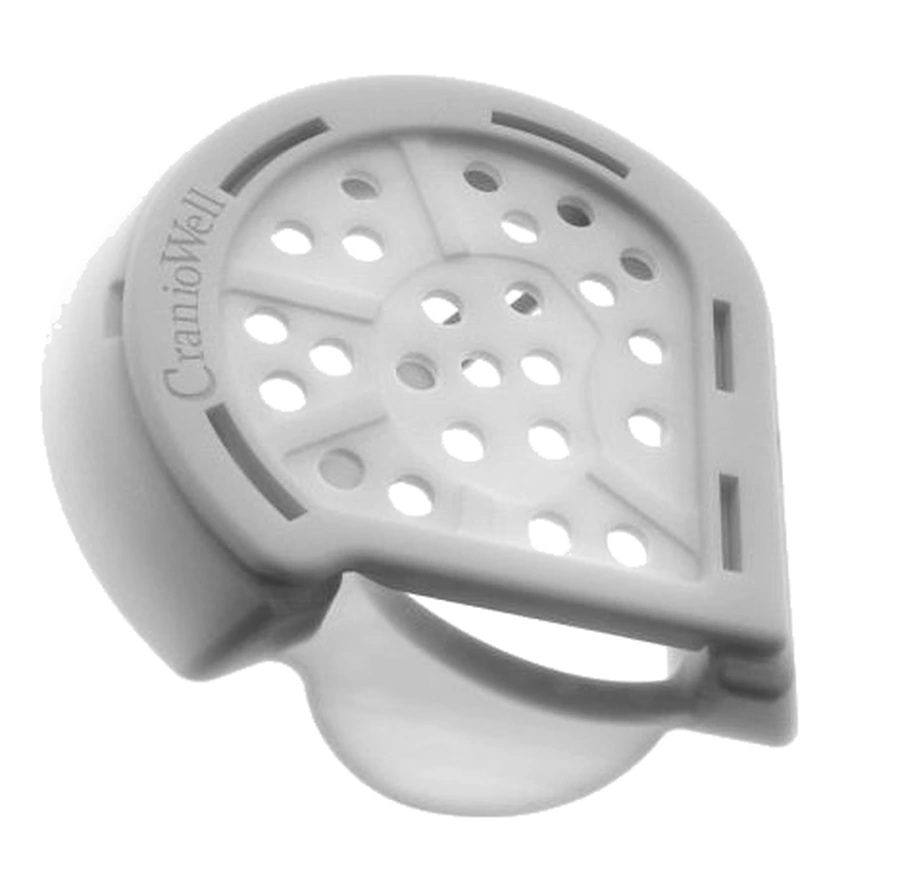
Ear Shaping
Non-surgical ear correction is most effective in the first 6 weeks of life. Learn how ear molding works, the ideal window for treatment, and expected results.
Ear shape abnormalities in newborns are a common condition, occurring in approximately 15–30% of newborns. While many parents hope their baby's ears will correct themselves over time, medical evidence shows that untreated deformities persist permanently in around 70% of cases. Non-surgical ear correction in babies can achieve excellent results — especially in the first weeks of life — without the need for surgery.
Direct Answer: Ear correction in babies is the process of achieving an aesthetically natural ear shape during the newborn period, while the cartilage is still soft and malleable, using splints or ear-molding techniques. This process eliminates the need for otoplasty (ear surgery) that might otherwise be required later.
Baby ear shaping methods — find out which system is right for your baby by reading our detailed overview.
A baby's ear cartilage is highly flexible immediately after birth due to the influence of oestrogen passed from the mother. This hormone level begins to fall from around the 6th week after birth, and by the 12th week the cartilage has stiffened. For this reason, the highest success rates in ear correction in babies are seen in interventions carried out between 2 and 6 weeks of age.
| Feature | Non-Surgical Correction (Molding) | Surgical Intervention (Otoplasty) |
|---|---|---|
| Age of Treatment | 0–3 Months | Age 5–6 and Over |
| Anaesthesia | Not required | General Anaesthesia |
| Risk Factor | None / Minimal | Infection, Scarring |
| Recovery Time | Immediate | 1–2 Weeks |
| Permanence | Permanent | Permanent |
The main ear deformities seen in babies that require correction are:
Read our article on common ear deformities in babies for the specific treatment processes for these deformities.
At CranioWell, we provide aesthetic and functional corrections using the least invasive methods during a baby’s development. Our specialist team analyses your baby’s ear structure and applies the most appropriate splinting method.
No, non-surgical splinting methods are completely painless. Babies usually cannot even feel the device.
Treatment duration depends on the baby’s age. In newborns it may take 2–4 weeks, while in 2-month-old babies it can take 6–8 weeks.
Taping performed without professional guidance can cause skin irritation or incorrect shaping. Expert supervision is essential.
In treatments started within the first 3 weeks, the success rate is over 90%.
This procedure is generally categorised as cosmetic, so coverage may vary depending on your private insurance policy.