
Helmet Therapy
When Should Helmet Therapy Start?
Why early timing matters for cranial remolding, the usual 3–18 month window, pattern-specific notes for plagiocephaly and brachycephaly, and options after age one.
Helmet Therapy
Why early timing matters for cranial remolding, the usual 3–18 month window, pattern-specific notes for plagiocephaly and brachycephaly, and options after age one.
Parents often ask when helmet therapy should begin. Timing strongly influences how efficiently remolding can guide growth. Cranial growth rate and bone flexibility determine how readily shape can change, so starting in the right window matters.
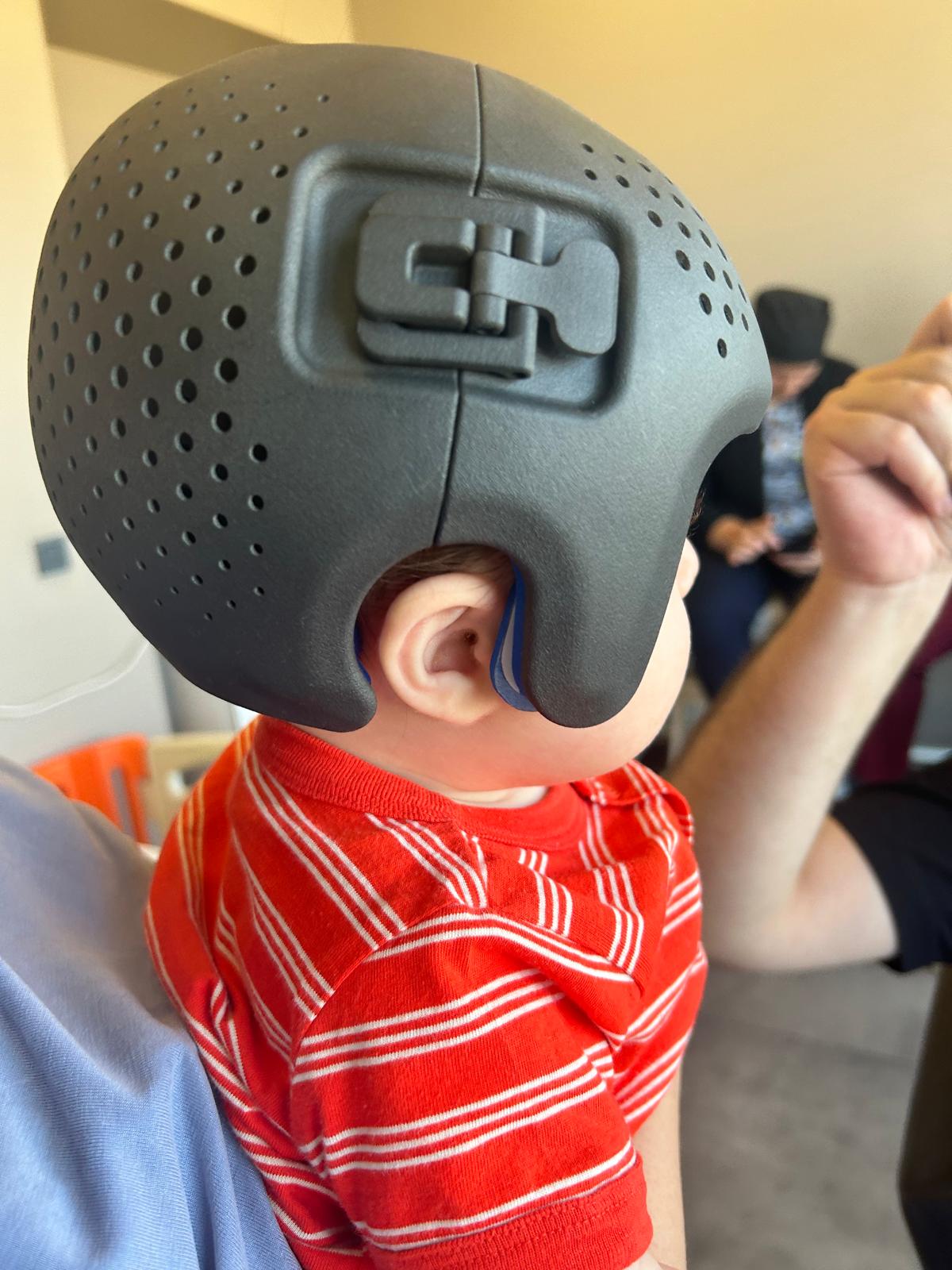
The infant skull grows rapidly in the first 1–2 years, especially in the first 6 months. Helmet therapy works by directing that growth—guiding flatter zones to fill while limiting unwanted expansion elsewhere. If care starts after growth has slowed and bones have stiffened, effect can diminish and duration may lengthen. That is why when to start helmet therapy is a practical clinical question.
A commonly discussed range is about 3 to 18 months, adjusted for severity and type. Clinicians generally prefer the earliest appropriate start because:
Rapid growth: Months 4–6 are especially active, so remolding often progresses faster.
Bone flexibility: Softer bones reshape more readily.
Shorter courses: Earlier starts often mean shorter overall wear.
For mild patterns, physicians may first try repositioning and tummy time. If those are insufficient, remolding is considered. Fitting is provided only at CranioWell Orthotics & Prosthetics Centers.
Plagiocephaly: Often addressed early; starts around 3–6 months are frequently discussed when indicated.
Brachycephaly: Early care also matters; starts around 4–8 months are commonly considered.
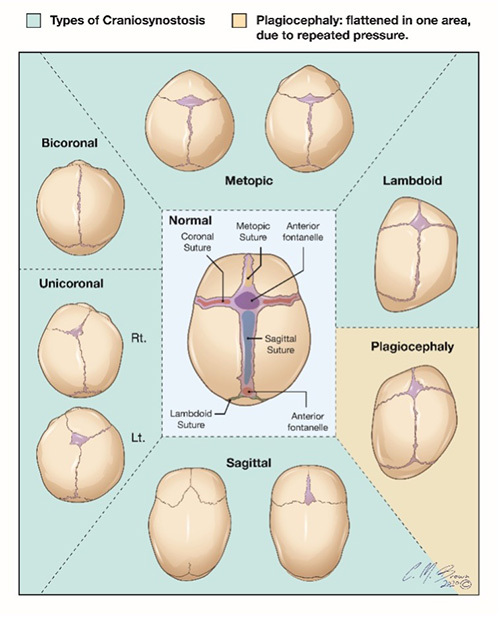
Scaphocephaly: May relate to craniosynostosis. Suspected synostosis needs earlier neurosurgical evaluation. If sutures are open, remolding may still begin in early months when indicated.
Courses often last about 4–6 months. Ending depends on reaching planned symmetry, slowing growth, and reduced malleability. Wear is usually about 23 hours a day except for bathing and cleaning. After completion, some clinicians may discuss temporary supportive habits; special devices should follow medical advice only.
Sometimes yes, but expectations differ. With stiffer bones, change can be slower and more limited. Each case needs individual assessment and realistic goals.
In short, the most reliable answer to when infant helmet therapy should start is: after timely recognition and clinician guidance. If you notice a shape difference, seek assessment without long delay.
Learn more: Infant Helmet Therapy: A Practical Guide