
Helmet Therapy
Helmet Therapy Costs and Insurance Coverage: Parent Guide
How cranial remolding works, what drives prices, SGK versus private insurance realities in Turkey, and practical FAQ for families planning helmet therapy.
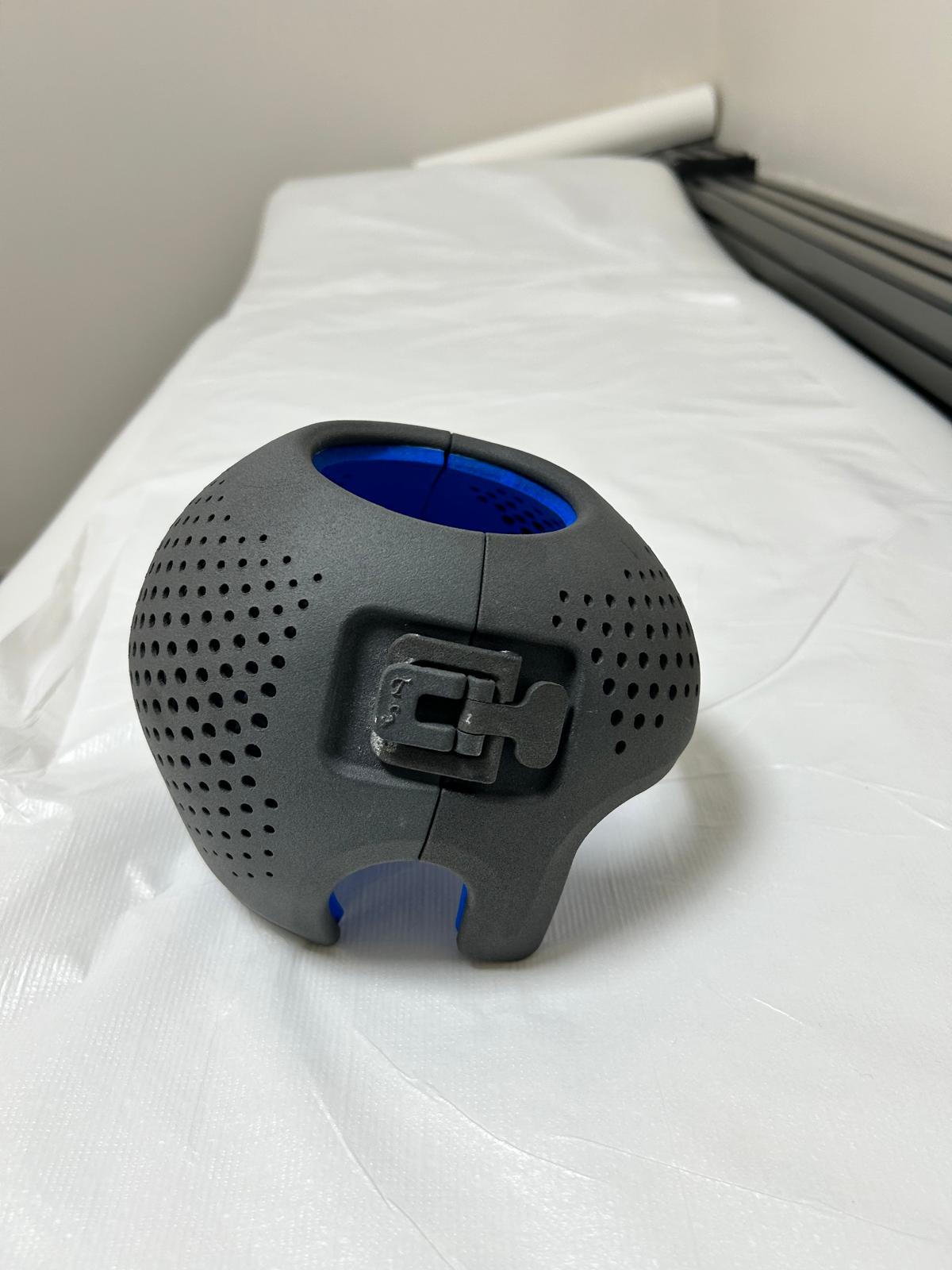
Helmet Therapy
How cranial remolding works, what drives prices, SGK versus private insurance realities in Turkey, and practical FAQ for families planning helmet therapy.

Infant head shape differences can worry parents. Cranial remolding helmets are a commonly used non-surgical option for moderate to more advanced patterns. This guide covers what helmet therapy is, how the process works, pricing factors, and insurance realities.
A custom medical orthosis guides growth by leaving space where the skull is flatter and closer contact where it is fuller. Goals include a more balanced cranial shape. Fitting is provided only at CranioWell Orthotics & Prosthetics Centers.
Common indications:
Causes often include prolonged one-sided positioning, torticollis, prematurity, or—less often—craniosynostosis (which needs a different pathway).
Practical advantages:
Ask the center you plan to use for a current written estimate.
Important: Starting treatment before confirming coverage can make reimbursement harder. Clarify insurance first when possible.
| Feature | Public hospital (SGK) | Private insurance | Private clinic / center |
|---|---|---|---|
| Basic coverage | Typically out of scope | Policy-dependent; pre-approval may be required | Paid by the family (lump sum or installments) |
| Cost | Family-paid | Full or partial depending on policy | Family responsibility |
| Documents | — | Policy details, physician report, invoice, pre-approval | Appointment, measurement, and payment plan |
| Process speed | — | May wait for insurer approval | Often faster once assessment is complete |
How long does infant helmet therapy last?
Often about 4–9 months, varying with age, severity, and growth rate.
Can flat head still improve after 6 months of age?
Yes. A commonly discussed responsive window is roughly 4–18 months. Later starts may take longer and yield more gradual change.
Why is helmet therapy used?
To guide positional patterns such as plagiocephaly and brachycephaly without surgery when indicated.
For which conditions?
Mainly positional head shape differences. Craniosynostosis usually needs a different plan.
Is it expensive?
It can be a significant cost depending on technology and duration. Private insurance may offset some cost. Compare center quotes.
Does a helmet stop a baby from moving?
No. Modern helmets are designed to stay light and allow typical motor activity.
Helmet therapy can be a useful, non-surgical option for selected infant head shape differences. Confirm medical indication with a physician, clarify insurance, and discuss fitting and follow-up at CranioWell Orthotics & Prosthetics Centers before you decide.