
Head Shape
Head Shaping Methods for Babies: A Comprehensive Guide
Detailed overview of all head shaping methods for babies — from tummy time and repositioning therapy to cranial helmet therapy.

Head Shape
Detailed overview of all head shaping methods for babies — from tummy time and repositioning therapy to cranial helmet therapy.
Head shape irregularities in babies are a concern many parents encounter and seek solutions for. These conditions can generally arise from the babys position in the womb, the birth process, or sleeping positions. Fortunately, effective and safe methods exist today to correct such irregularities. In this guide, we will examine head shaping methods for babies in detail, including when to apply them, success rates, and important points to consider.
A babys skull is highly flexible and open to development in the first months after birth. While this flexibility supports brain growth, it also creates sensitivity to external influences. The main causes of head shape irregularities are:
Approximately 2 to 3 out of every 100 babies may develop varying degrees of head shape irregularity. This rate may be higher when mild flattenings are also included. Early diagnosis and intervention play a critical role in correcting these conditions.
Head shaping methods for babies vary depending on the severity of the deformity and the babys age. The main methods are:
Positional repositioning is a technique of relieving pressure on the skull by changing the babys sleeping and play positions. It is highly effective for mild deformities. Key points to consider with this method:
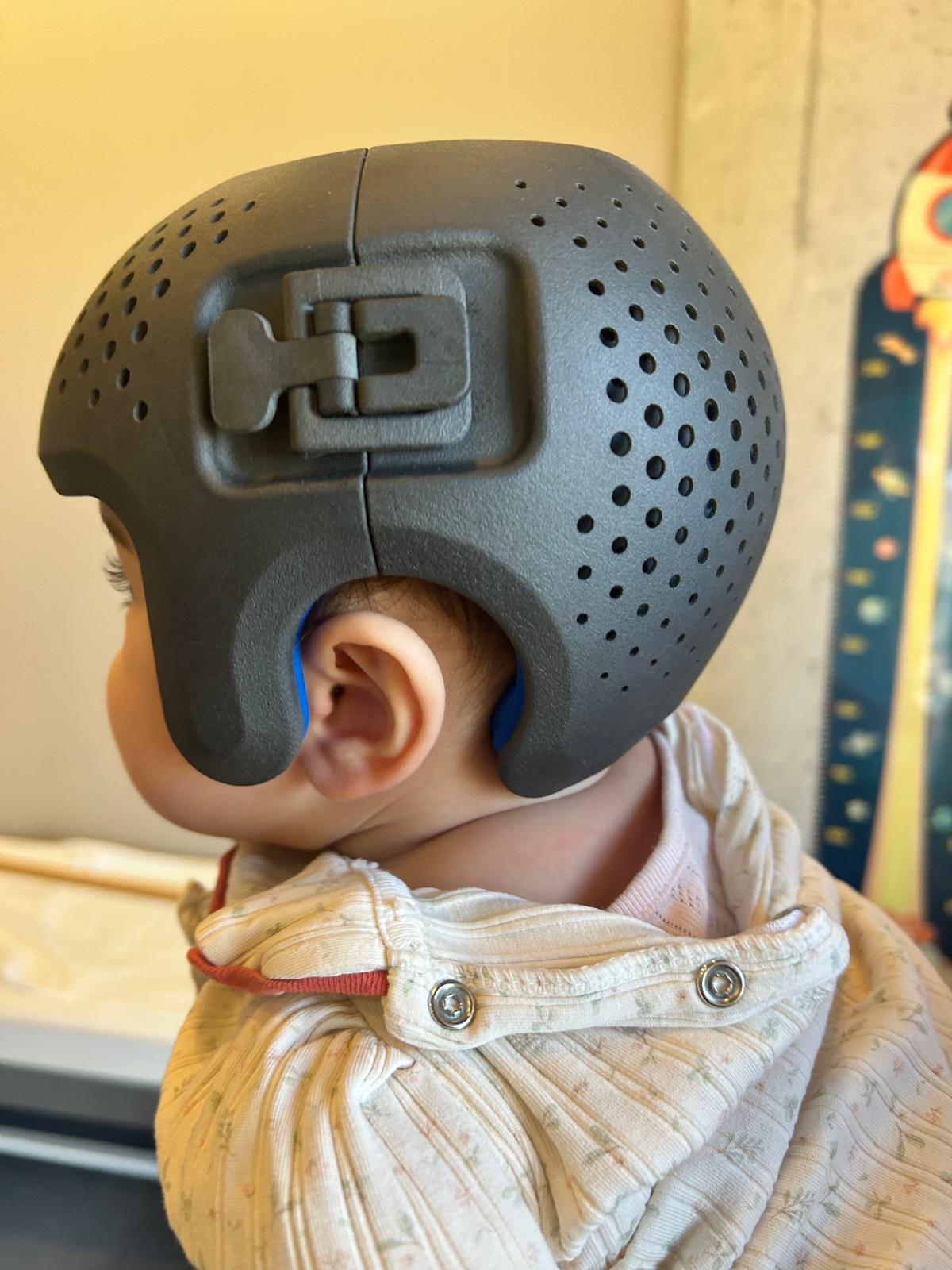
For moderate and severe head shape deformities, positional repositioning alone may not be sufficient. In these cases, cranial shaping devices come into play. These devices gently apply pressure to the flat or flattened areas of the babys head, creating more space for skull growth and encouraging symmetry.
CranioWell HKM Pro Helmet: The CranioWell HKM Pro Helmet, developed by CranioWell Medical Technology, is a trusted product in this field. These helmets guide the babys head growth pattern to provide a natural correction process. The helmet is specially designed with the babys comfort and air circulation in mind.
Timing and Duration of Treatment:
The ideal time to begin head shaping treatment is at 4 months. The babys skull is still responsive to shaping at this stage. Although success rates decrease after 4 months, molding can be performed up to the second month. CranioWell HKM Pro helmet treatment typically lasts 4 to 6 months. This period may vary depending on the babys age, severity of the deformity, and rate of growth. Regular follow-up under medical supervision is important for treatment success.
Success rates of head shaping methods vary depending on the severity of the deformity, the timing of treatment, and the babys individual development. Success rates are very high in treatments started early and applied consistently. Full correction can be achieved with positional repositioning in mild deformities, while high success is also possible with cranial shaping devices in moderate and severe cases.
The ideal time to start head shaping treatment is at 4 months. At this stage, the skull bones are still soft and flexible, making shaping easier. Although success rates decrease after 4 months, molding can be performed up to the second month. However, specialists generally recommend intervention within the first 6 months. After 7 months, as head growth slows, treatment may take longer and success rates may decrease.
CranioWell HKM Pro helmet treatment generally lasts between 4 and 6 months depending on the babys age and severity of the deformity. During treatment, the growth of the babys head is monitored and the helmet is adjusted accordingly. Regular medical check-ups are important in determining the effectiveness and duration of treatment.
The following table compares the key features of head shaping methods for babies:
| Method | How It Works | Effective For | Ideal Start | Duration (avg.) |
|---|---|---|---|---|
| Positional Repositioning | Changing the babys sleeping and play positions | Mild deformities | From the first months | Ongoing |
| Cranial Shaping Devices (Helmet/Band) | Gentle pressure applied to specific areas of the skull using specially designed devices | Moderate and severe deformities | From 4 months, up to 6 months | 4–6 months |
Before starting head shaping treatment for a baby, a specialist should always be consulted. Your doctor will assess your babys condition and determine the most appropriate treatment method. During treatment:
Remember that head shape irregularities in babies are generally treatable conditions. With early intervention and the right methods, you can help your baby achieve a healthy head shape.
How common are head shape irregularities in babies?
Approximately 2 to 3 out of every 100 babies may develop varying degrees of head shape irregularity. This rate may be higher when mild flattenings are also included.
At what age is head shaping treatment most effective?
The ideal time to start head shaping treatment is at 4 months. Although success rates decrease after 4 months, molding can be performed up to the second month.
What is positional repositioning and how effective is it?
Positional repositioning is a technique of relieving pressure on the skull by changing the babys sleeping and play positions. It is highly effective for mild deformities.
What do cranial shaping devices (helmet/band) do?
These devices gently apply pressure to the flat or flattened areas of the babys head, creating more space for skull growth and encouraging symmetry. They are used for moderate and severe deformities.
How long does head shaping treatment take for babies?
CranioWell HKM Pro helmet treatment generally lasts 4 to 6 months. This duration may vary depending on the babys age.