
Helmet Therapy
CranioWell HKM Pro Helmet Therapy: Comfort and Effectiveness
When HKM Pro cranial remolding may help positional plagiocephaly or brachycephaly, how the process works, comfort features, and how it compares with other options.
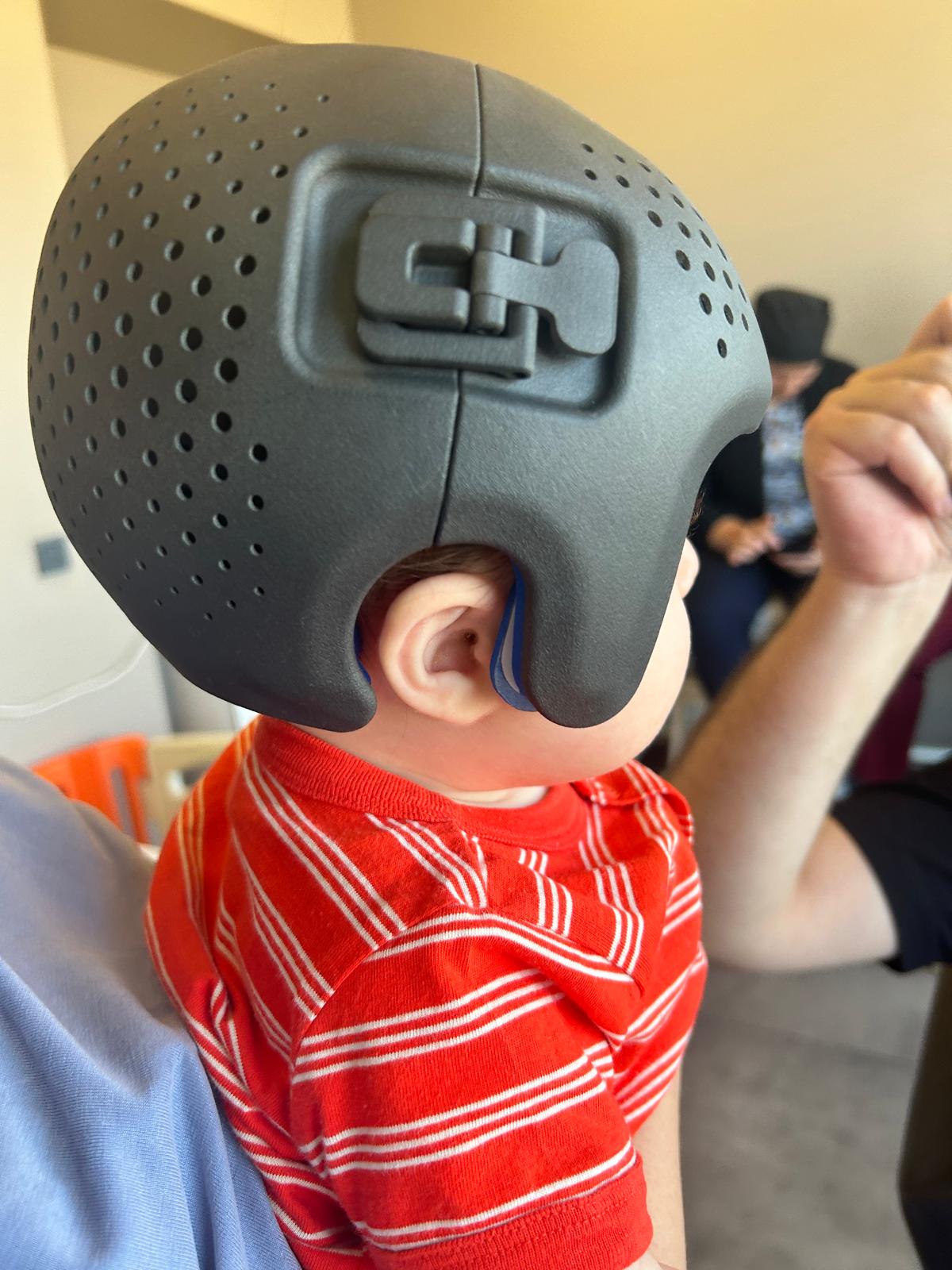
Helmet Therapy
When HKM Pro cranial remolding may help positional plagiocephaly or brachycephaly, how the process works, comfort features, and how it compares with other options.
Infant head shape differences often worry parents. Today, care options can balance baby comfort with a structured remolding pathway. One of those options is CranioWell HKM Pro helmet therapy. This overview explains what HKM Pro is, when it may be used, how the process works, and how comfort is addressed during wear.

Head shape differences are also described as cranial asymmetries or positional plagiocephaly. Common contributors include:
The most common pattern. Intrauterine position or prolonged postnatal resting on one side can flatten part of the skull. As babies gain head control, mild patterns may improve; some cases still need professional assessment.
The head looks wider and shorter, with a flatter, taller occiput. It is often linked to back sleeping and a preferred head turn.
Less common. The head looks longer and narrower. Prenatal position or other factors may contribute; structural causes must be ruled out when appropriate.
Unlike positional patterns, craniosynostosis involves premature suture fusion and may require surgery. This article focuses on non-surgical positional differences.
Positional patterns usually do not directly impair physical development, but they can raise aesthetic concerns. In more advanced asymmetry, clinicians also consider related functional questions, so timely assessment matters.
HKM Pro is a custom medical orthosis designed to guide positional head shape differences. It limits growth where the skull is fuller and allows space where the skull is flatter, so natural growth can support a more balanced shape. The HKM Pro remolding helmet is fitted only at CranioWell Orthotics & Prosthetics Centers.
Helmets are made from lightweight, durable, breathable materials. The inner surface is prepared from precise measurement or 3D scanning so fit supports both remolding goals and comfort.
HKM Pro is typically discussed for positional differences in babies roughly 3 to 18 months old, when cranial bones are still more flexible and growth is active. Timing depends on severity and overall development; a physician confirms medical appropriateness, while fitting and follow-up occur at CranioWell Orthotics & Prosthetics Centers.
Before a helmet, less intensive steps such as repositioning and tummy time are often tried. If those are not enough, or asymmetry is more advanced, cranial remolding may be considered.
A typical pathway includes:
Clinical literature and clinical experience support cranial remolding for positional plagiocephaly and brachycephaly when started at an appropriate age and worn consistently. Outcomes relate to timing, adherence, and structured follow-up—not to absolute guarantees.
Comfort features of HKM Pro designs typically include:
An adjustment period is normal. With patient family support and clear guidance, many babies return to usual play and sleep routines.
| Feature | HKM Pro helmet therapy | Repositioning and exercises | Surgery |
|---|---|---|---|
| Use | Moderate to more advanced positional differences, roughly 3–18 months | Mild patterns, early stages, supportive care | Structural issues such as craniosynostosis, or cases not suited to orthosis alone |
| Expected role | Often helpful when started appropriately and worn consistently | Helpful in mild cases; may be insufficient alone in advanced asymmetry | Indicated for structural fusion; involves surgical risks and recovery |
| Comfort | Custom fit, light and breathable materials | No device | Postoperative recovery can be demanding |
| Course | Often about 4–6 months, ~20–23 hours/day | Needs ongoing parent effort; results vary | Surgery plus recovery and longer follow-up |
| Cost | Mid to higher (device, custom work, follow-up) | Low (home-based) | Higher (surgery, hospital, anesthesia) |
| Risks | Occasional skin redness or adaptation issues | Insufficient change; delayed referral | Infection, anesthesia, bleeding, wound issues |
Often about 4–6 months, depending on age, severity, and response. Earlier appropriate care can shorten the course.
Yes. After 6 months growth is slower, so care may take longer and changes can be more gradual. Earlier assessment is still preferable when possible.
To guide positional patterns such as plagiocephaly and brachycephaly toward a more balanced shape.
Mainly positional head shape differences. Craniosynostosis usually needs surgical planning first; a helmet may be used afterward in selected pathways.
Serious effects are uncommon. Mild redness or irritation can occur and is usually managed with fit checks, skin care, and hygiene.
Positional infant head shape differences can often be managed with timely assessment and a clear plan. HKM Pro offers a custom remolding pathway focused on comfort and measured follow-up at CranioWell Orthotics & Prosthetics Centers. Families should stay in close contact with their physician for diagnosis and with the orthotics team for fitting and adjustments.