
Ear Shaping
What Is Baby Ear Correction? A Non-Surgical Shaping Guide
Baby ear correction (ear molding) uses soft newborn cartilage to reshape deformities without surgery. Learn timing, CranioWell benefits, and FAQ.
Ear Shaping
Baby ear correction (ear molding) uses soft newborn cartilage to reshape deformities without surgery. Learn timing, CranioWell benefits, and FAQ.
Baby ear correction shapes ear deformities noticed soon after birth without surgery, using special splints and molds. Newborn cartilage is soft and moldable because of maternal estrogen. This early window is a valuable opportunity to improve aesthetic ear differences.
The most common congenital ear deformities include prominent ear, lop ear, and Stahl’s ear. With early intervention, many of these concerns can be improved through non-surgical molding.
Infant ear cartilage contains higher estrogen levels in the first weeks after birth, which makes it highly moldable. The preferred window for non-surgical ear molding is the first month of life. Correction may still be possible into the second month, but as cartilage hardens, response tends to decline. By about week 12, non-surgical methods are often much less effective.
| Feature | Ear Molding (Non-Surgical) | Otoplasty (Surgery) |
|---|---|---|
| Typical age | First 1–2 months (ideally first 4 weeks) | Age 5 and older |
| Anesthesia | Not required | General anesthesia |
| Recovery | Device stays in place; daily life continues | About 1–2 weeks |
| Outcome potential | Often favorable in early stage | Established surgical option later |
| Risks | Mild skin irritation possible | Infection, scarring, anesthesia considerations |
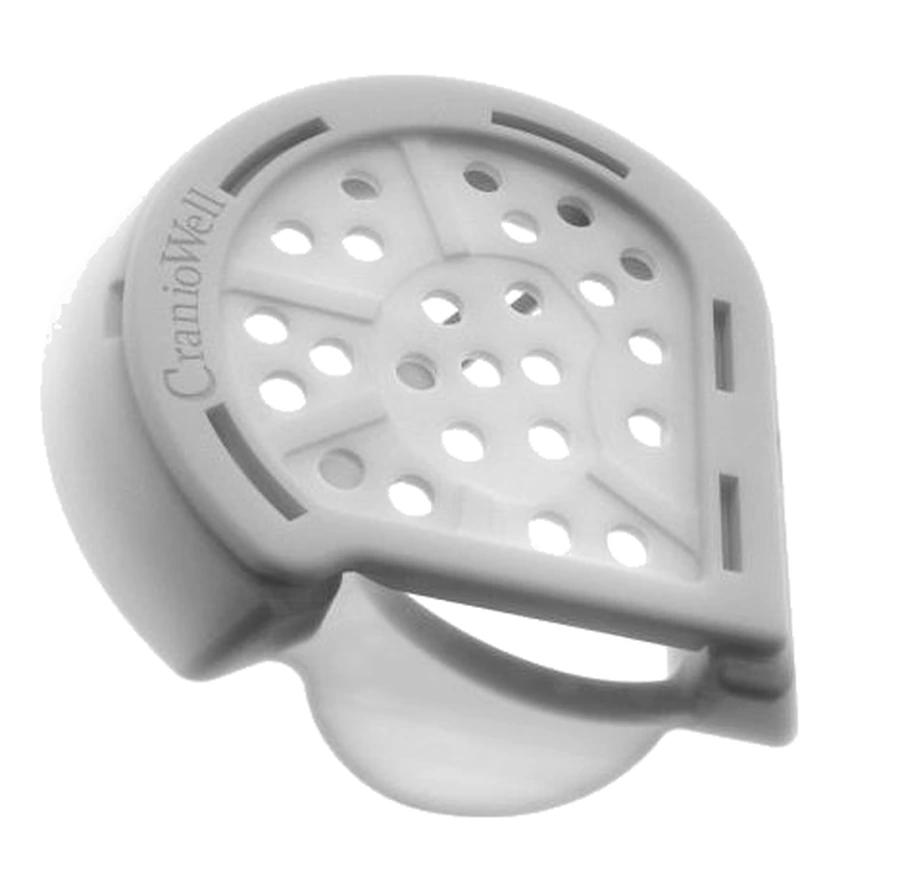
One structured option for non-surgical ear correction is the CranioWell system. CranioWell is designed for sensitive infant cartilage and is applied by treating physicians in a clinical setting. Find a physician via find a specialist.
Advantages of the CranioWell system:
Understanding deformity types and treatment differences helps families choose an appropriate pathway.
Treatment usually lasts 4 to 6 weeks. The CranioWell device is placed on the ear and secured with medical tapes. Babies generally do not feel pain. The device typically does not interfere with sleep or feeding. When cartilage hardens in the new form, the shape is intended to remain.
Success with professional systems depends on correct positioning and regular follow-up. Skin care after application is essential. Incorrect handling can cause pressure sores or incomplete correction. Start under specialist supervision and keep scheduled checks.
How long does infant ear shaping take?
Duration usually ranges from 2 to 6 weeks depending on age and severity.
Is ear molding a lasting solution?
Yes—when shaping is done while cartilage is soft, the form is intended to become lasting as cartilage hardens.
Do simple prominent-ear tapes provide a non-surgical solution?
Simple tapes usually offer only temporary change; lasting structured results generally require medical splinting systems such as CranioWell.
Can the baby be bathed during treatment?
The device and tapes should stay dry. Body-only bathing with the ear area protected is commonly advised.
Is non-surgical correction still possible as the baby gets older?
Usually not after about 12 weeks (3 months), when cartilage has hardened. In that case, otoplasty after about age 5–6 is typically the lasting surgical option.