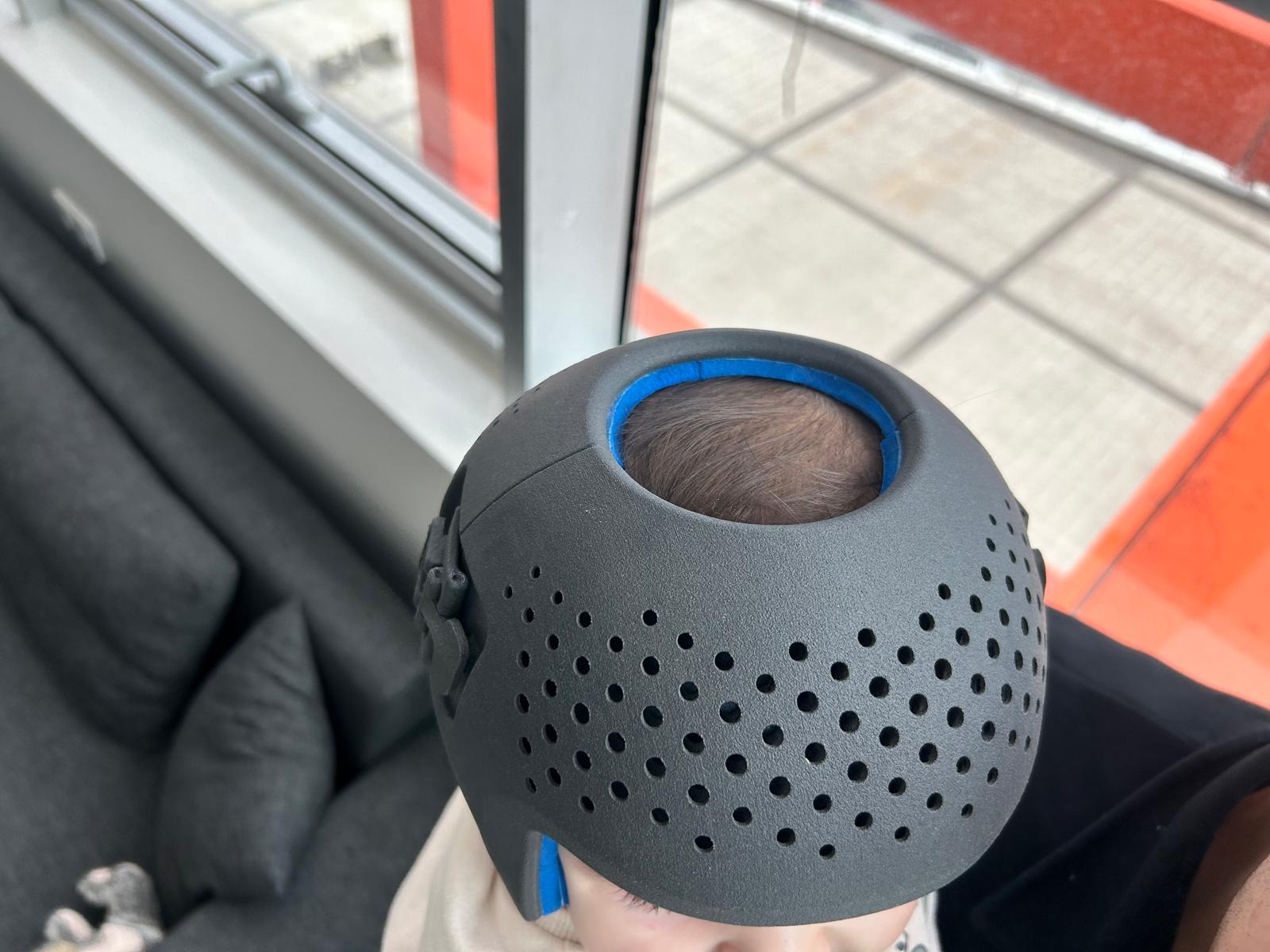
Infant Helmet Therapy: A Comprehensive Guide and Specialist Perspectives
What cranial orthosis therapy is, which infants it suits, how CranioWell HKM Pro custom helmets are fitted, typical duration, benefits, and center selection tips.
Infant head shape differences are a frequent parental concern. They usually develop when the skull stays in one position for long periods before or after birth. Modern care offers effective options, and helmet therapy is among the most used. What is helmet therapy, how is it applied, who is it for, and what should parents watch for? This guide covers the essentials.
What Is Helmet Therapy and Why Is It Needed?
Helmet therapy—also called cranial orthosis—uses a lightweight, breathable custom device to improve flattened or asymmetric areas toward a more natural, symmetric shape. After birth, infant cranial bones are soft and flexible; that flexibility is what makes remolding possible. The helmet guides growth in selected directions to improve unwanted shape differences.
These differences are commonly named:
Plagiocephaly: The most frequent pattern, with flattening on one side.
Brachycephaly: A short, wide back of the head.
Scaphocephaly: A long front-to-back axis with a narrower side-to-side width.
Besides aesthetic concerns, marked differences may rarely raise broader developmental questions, so early recognition and an appropriate plan matter.
Which Infants Are Suitable for Helmet Therapy?
Helmet therapy is often discussed for infants about 3 to 18 months old, depending on type and severity. A commonly useful start window is the first 4–6 months, when growth is rapid. Suitability is determined by detailed clinical examination and 3D scanning. The clinician considers general health, severity, and type when planning care.
How Does the Process Work?
Typical steps include:
Diagnosis and evaluation: A clinician assesses the cranial difference. 3D scanners often capture precise measurements for custom design.
Helmet design and fabrication: A lightweight, comfortable helmet is made to match the infant’s head. Custom orthoses such as the CranioWell HKM Pro helmet play a key role here.
Fitting and follow-up: The helmet is fitted and checked every 2–4 weeks for fit, comfort, and progress. Fitting is provided at CranioWell Orthotics & Prosthetics Centers.
Duration: Courses often last about 4 to 6 months, depending on severity, age, and response. Wear is commonly about 23 hours a day.
A properly designed helmet should not block motor development or cause pain; infants can usually continue normal activities.
Benefits and Possible Risks
Benefits:
Effectively improves many positional head shape differences,
Supports a more symmetric, aesthetic cranial form,
Earlier recognition often means clearer progress,
Non-surgical and non-invasive.
Possible risks and cautions:
Maintain hygiene; regular cleaning reduces irritation and infection risk.
Seek advice if redness or irritation appears.
Confirm correct fit and wear.
Occasional fussiness or sleep disruption may occur briefly during adaptation.
Choosing the Right Helmet Therapy Center
Outcomes depend on an experienced team and suitable center. Consider:
Specialization in cranial orthosis. Centers such as CranioWell Orthotics & Prosthetics Centers focus on this field.
An experienced clinical and orthotics team,
Up-to-date 3D scanning and design tools,
Family feedback and communication quality,
Support throughout the full course of care.
Your infant’s health and development come first. Ask your physician for guidance, and contact a specialized center for next steps. Helmet therapy opens a path to healthier, more balanced cranial appearance for many infants.