
Head Shape
Infant Head Shaping Methods: A Comprehensive Guide
Overview of repositioning, cranial remolding helmets, and when surgery may be considered for plagiocephaly, brachycephaly, and related infant head differences.

Head Shape
Overview of repositioning, cranial remolding helmets, and when surgery may be considered for plagiocephaly, brachycephaly, and related infant head differences.
Infant head shaping methods include techniques used to support more symmetric, healthy cranial development. Flattening or asymmetry after birth or in the first months can worry parents. With appropriate methods and timely care, many cases can improve substantially. CranioWell is here to guide families through suitable options.
Infant cranial asymmetries or deformities may relate to position in the womb, difficult births, or long periods in one posture after birth. Leading patterns include plagiocephaly (flat or oblique head) and brachycephaly (wide, short head). Roughly 2–3 in every 100 infants may show head shape differences to some degree. Common contributors include:
Choice of method depends on type, severity, and age. Main options include:
Useful in early, mild cases. The goal is to relieve pressure and encourage more balanced shaping:
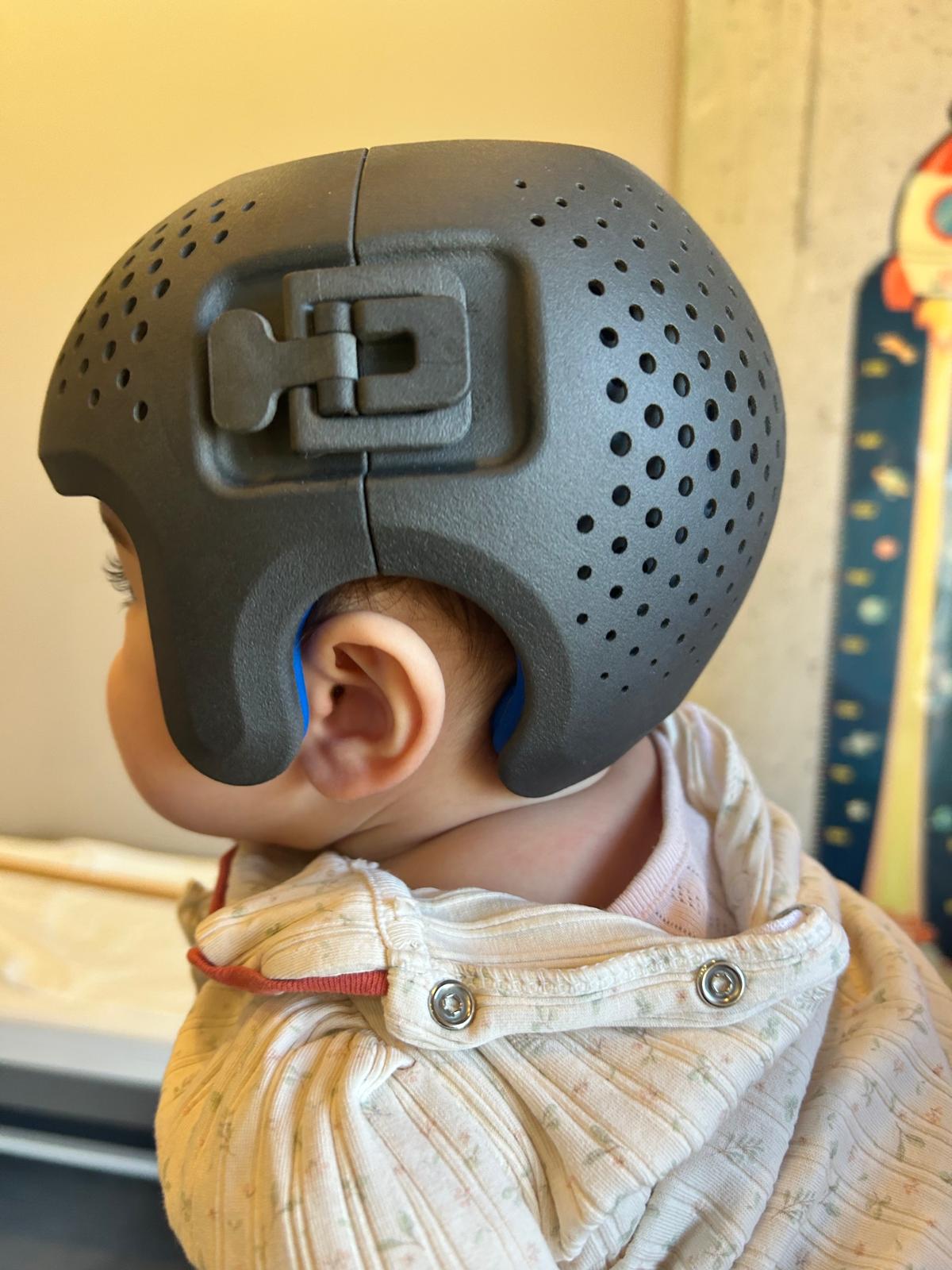
For moderate and severe differences, repositioning alone may not be enough. Custom cranial remolding devices are then used. Products such as the CranioWell HKM Pro helmet gently guide growth, create room in flatter areas, and encourage symmetry. Devices are individualized and often worn over a course of about 4–6 months, depending on age and severity. Fitting is provided only at CranioWell Orthotics & Prosthetics Centers. Earlier appropriate starts are associated with clearer progress.
Rarely, differences relate to craniosynostosis or remain severe despite other care. Craniosynostosis—early suture closure—can affect brain growth space and must be evaluated by a specialist surgeon.
General tendencies include:
Head shaping can feel complex for parents. CranioWell’s team evaluates cranial shape and helps select a suitable plan. With options such as the CranioWell HKM Pro helmet, we support healthier head development from both aesthetic and functional perspectives. Early recognition and appropriate care are an investment in long-term wellbeing.
Every infant is unique, so plans should be personalized. Learn more in our article on using infant cranial remolding devices.