Baby Ear Correction: A Comprehensive Guide to Non-Surgical and Surgical Methods
Discover the best baby ear correction methods. Learn about non-surgical ear molding, the 'golden window' for newborns, and when surgery is necessary. Expert advice.
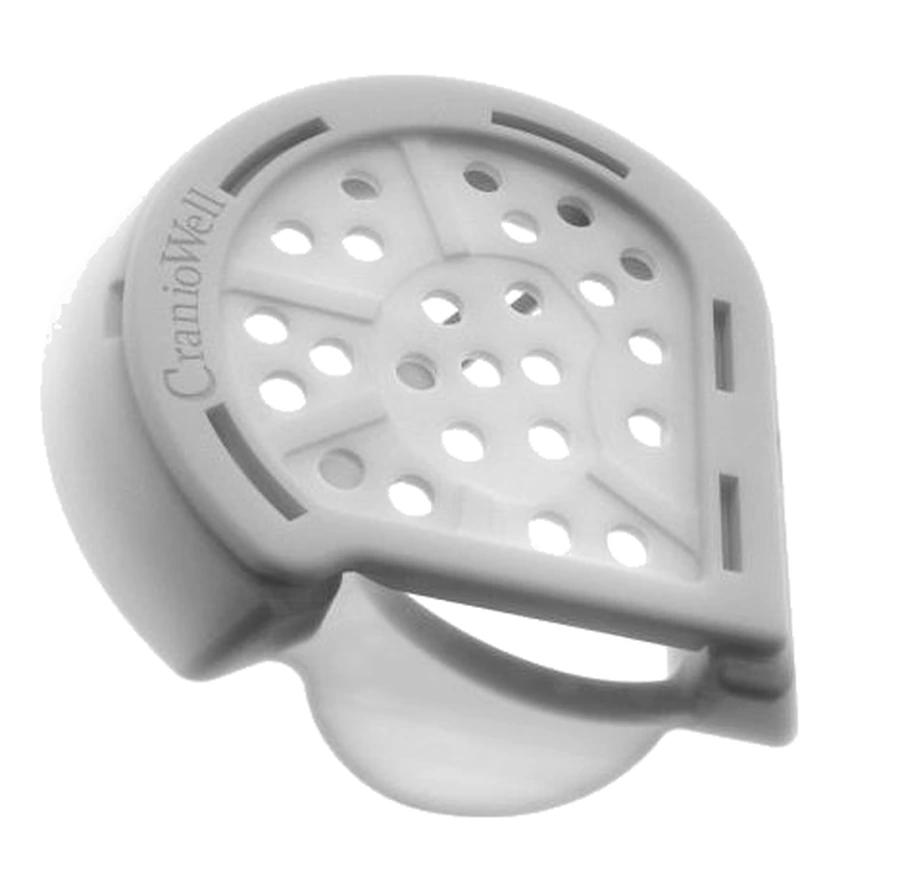
Baby ear correction refers to the medical and aesthetic procedures used to reshape or reposition a newborn's ears. While many babies are born with minor ear irregularities, approximately 15-30% of newborns have ear deformities that may not resolve on their own. Modern medicine offers two primary paths: non-surgical ear molding for infants and surgical otoplasty for older children.
Baby ear correction is most effective when addressed immediately after birth. This is because a newborn's ear cartilage is extremely pliable due to high levels of maternal estrogen circulating in their system. If caught within the first few weeks, most deformities can be corrected permanently without a single incision.
Common Newborn Ear Deformities
Before choosing a correction method, it is vital to identify the specific type of deformity. Common conditions include:
Prominent Ears (Protruding Ears): Ears that stick out more than 2cm from the side of the head.
Stahl’s Ear: A pointed ear shape caused by an extra fold of cartilage.
Lop Ear: The top of the ear (helix) is folded over or collapsed.
Cup Ear: A more severe form of lop ear where the ear looks tight and small.
Cryptotia: The top part of the ear is hidden under the skin of the scalp.
Non-Surgical vs. Surgical Correction: Key Differences
The choice between molding and surgery depends entirely on the age of the child and the severity of the condition.
Feature
Non-Surgical Ear Molding
Surgical Otoplasty
Ideal Age
0 to 6 weeks (Newborns)
5 years and older
Anesthesia
None required
General or local anesthesia
Recovery Time
Immediate
1-2 weeks
Invasiveness
Non-invasive (Molds/Splints)
Surgical incisions
Success Rate
Over 90% if started early
High, but carries surgical risks
Cost
Generally lower
Higher (includes facility fees)
The "Golden Window" for Correction
The most critical factor in non-surgical ear molding is timing. The maternal estrogen that keeps the cartilage soft begins to drop significantly after the first six weeks of life. For the best results, treatment should ideally begin within the first 7 to 14 days after birth. After the age of three months, the cartilage usually becomes too firm for molds to be effective, often leaving surgery as the only remaining option later in life.
Why Parents Choose Early Correction
Correcting ear shape in infancy is not just about aesthetics; it’s about psychological well-being. Children with prominent or misshapen ears often face teasing or bullying as they enter school. By utilizing newborn ear molding techniques, parents can ensure their child grows up with a natural ear shape, avoiding the need for invasive surgery and the potential for emotional distress during childhood.
Long-Term Outlook and Results
When performed correctly during the neonatal period, the results of ear correction are permanent. The cartilage "remembers" the new shape as it hardens. Clinical studies show that over 90% of infants treated with professional molding systems achieve excellent or good results, significantly reducing the future demand for surgical intervention.